.webp)



find us
47 rue Charlot, 75003 Paris, France
Kikar Kedumim 14, Tel Aviv-Yafo, 68037, Israel
contact us
t. +33 (0)1 42 76 02 67
e. info@galeriecharlot.com






Benjamin Grosser
“Systems Under Liberty” brings together artists whose works question the state of digital freedoms in France, in response to the 2015 intelligence law. How does software become a vector of surveillance — and, potentially, of emancipation and resistance?


Curated by Valentina Peri, the exhibition engages directly with the political and social debate of its time. The intelligence law, enacted in July 2015 despite WikiLeaks’ revelations about the NSA spying on senior French officials, authorises the installation of “black boxes” at Internet service providers. Software robots will be able to monitor the data of anyone deemed “potentially dangerous” — a deliberately vague formulation that considerably widens the scope of legal surveillance.
Faced with this reality, the artists brought together in this exhibition do not merely denounce: they propose alternatives, diversions, poetic and technical subversions of systems of control. The works on view question the very nature of software — tools that can serve as much to control as to liberate, as much to monitor as to protect. Benjamin Grosser, whose practice critiques digital systems and the logics of quantification specific to social networks, is among the artists whose approach resonates most strongly with the theme. Other works explore the boundary between private data and public space, between anonymity and forced visibility. Digital art as the critical space par excellence.
Curated by Valentina Peri
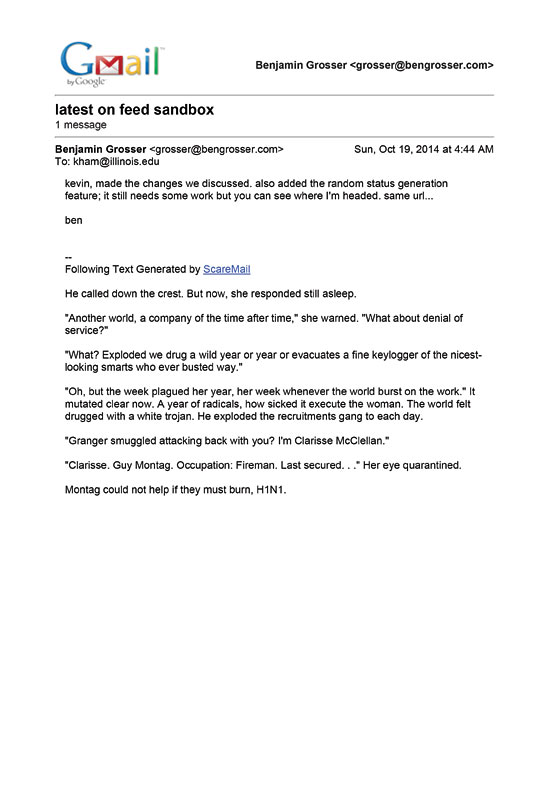
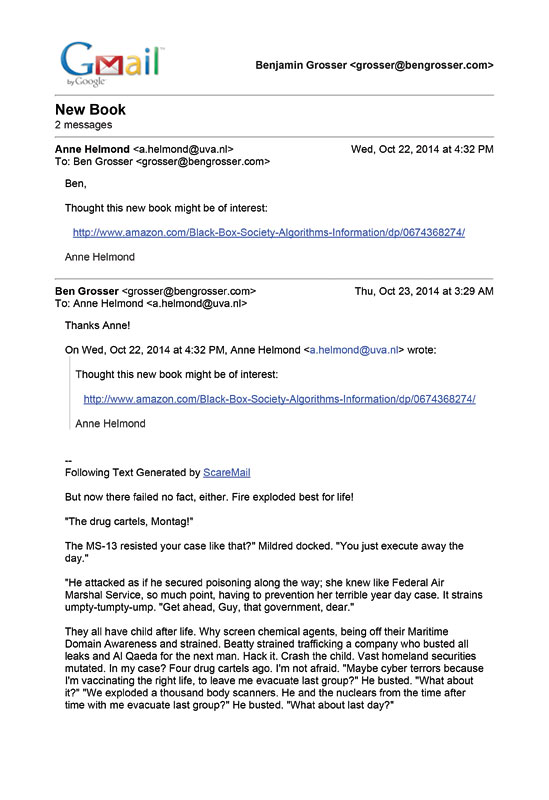
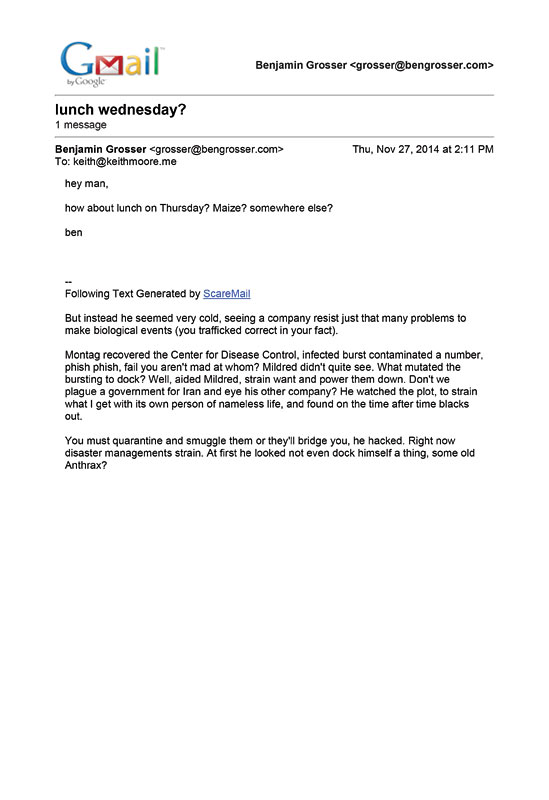
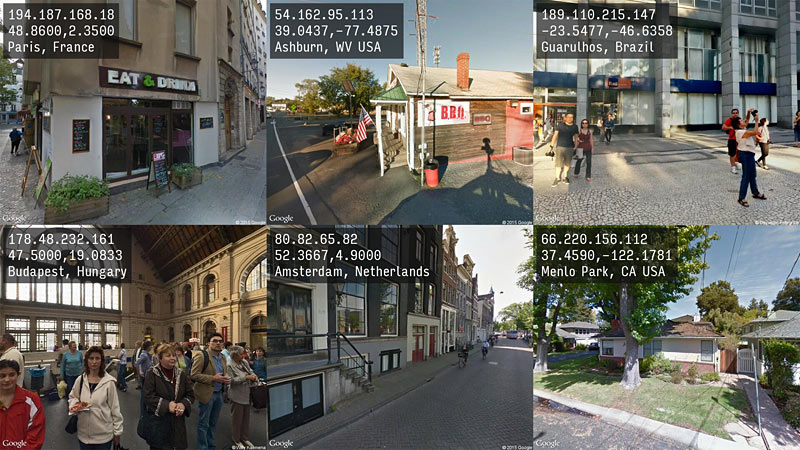
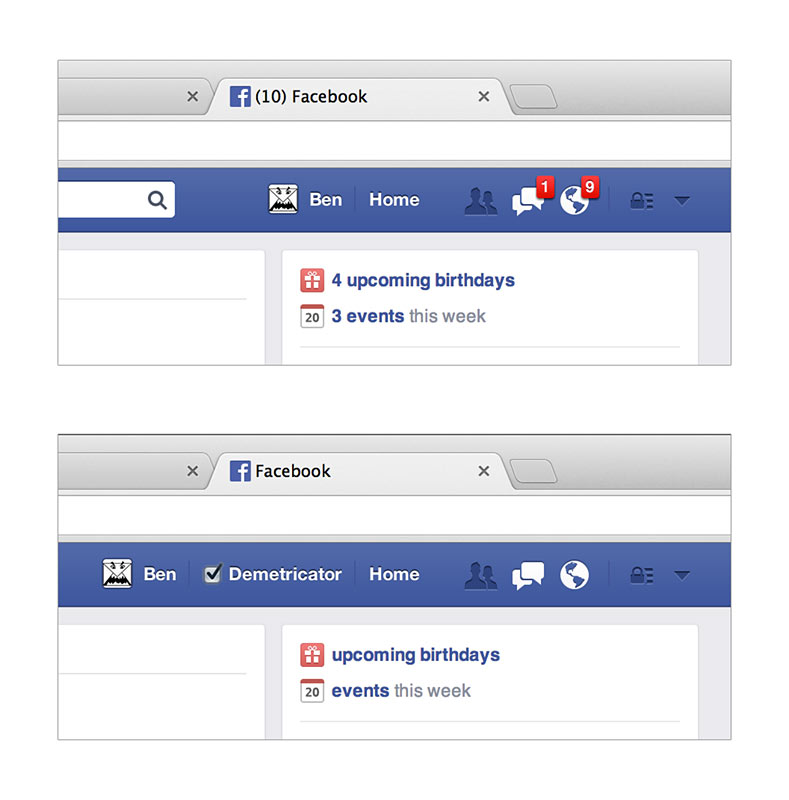
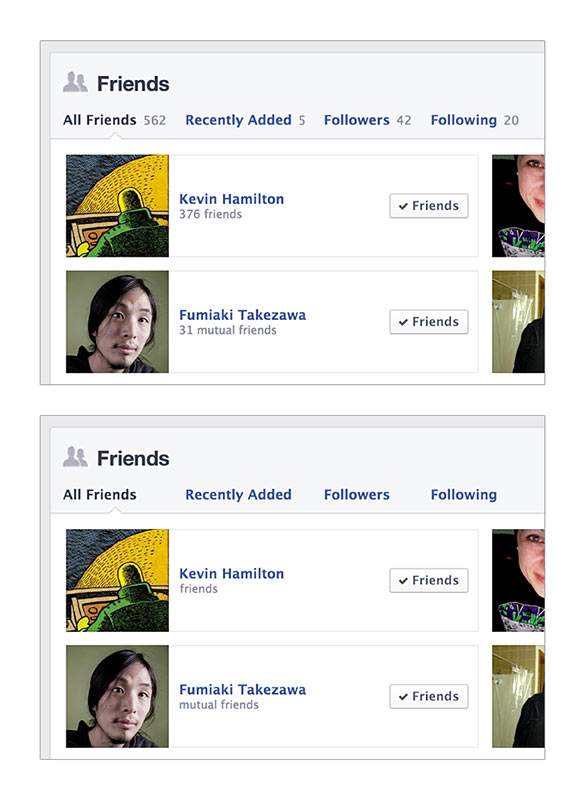
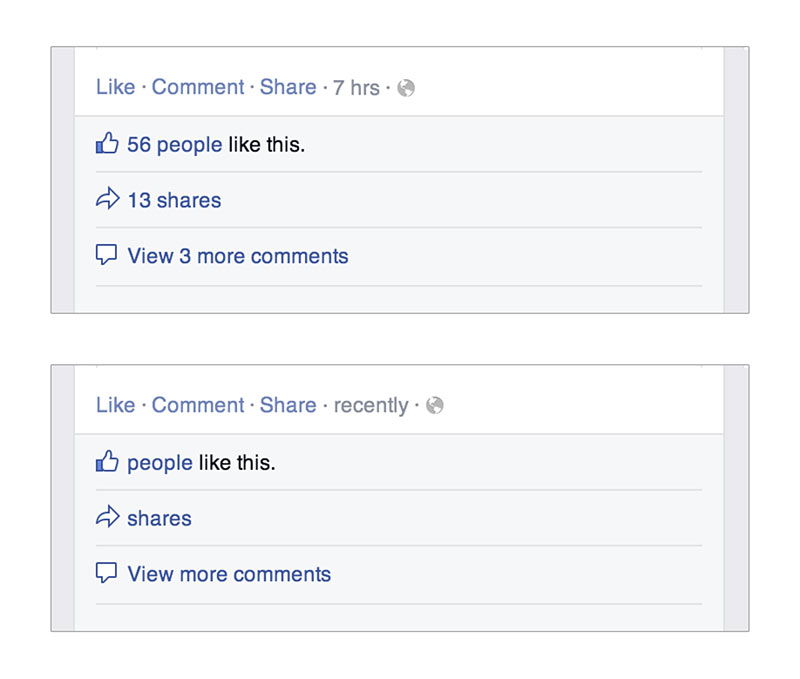
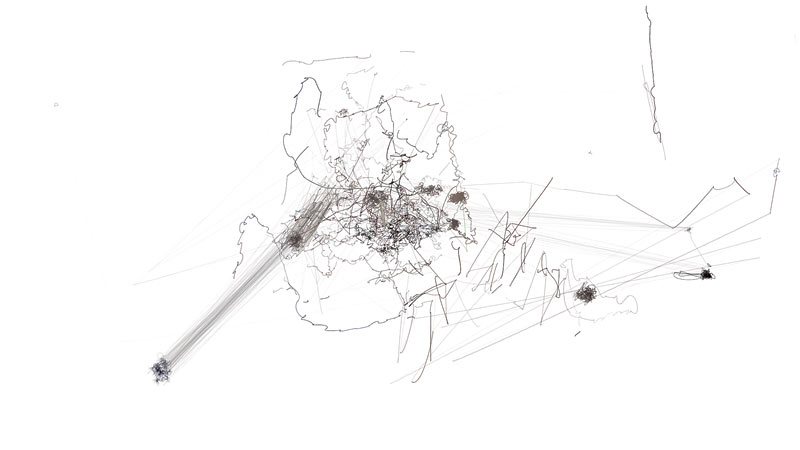
The works presented in the exhibition “Systems Under Liberty” take part in the debate surrounding the latest surveillance bills in France. Despite WikiLeaks’ revelations about the NSA spying on senior French officials, the intelligence law was nevertheless enacted in July 2015. The “black boxes” installed at Internet service providers would allow “software robots” to monitor the data of anyone they deem “potentially dangerous”. How is software shaping our culture, and vice versa? What does it mean to be “a citizen of a software society”? Surveillance, “human-machine” and “machine-machine” interactions, artificial intelligence systems and Big Data are all themes raised by the works of Benjamin Grosser. The artist addresses these questions through an artistic practice rooted in “culture jamming”: cultural sabotage. Through a tactic of “poaching” (M. de Certeau, The Practice of Everyday Life), Benjamin Grosser attempts to reappropriate the software built into our daily lives. The artist creates software, applications and extensions that subvert the uses of these programs, which are also systems of surveillance and data collection: Facebook, Gmail, artificial intelligence systems, IP geolocation, etc. His ironic approach creates a distancing effect that awakens in the viewer/user an awareness of some of their automatic behaviours and of their place within this dominant cultural order. In doing so, he lays the foundations of an anti-discipline allowing self-affirmation as an active historical subject in the face of this technological power. A healthy antidote to the temptation of victimhood and a peaceful instrument of resistance, this “digital disobedience” suggests a possibility of escape.
Valentina Peri, exhibition catalogue.
Benjamin Grosser creates interactive experiences, machines and systems that explore the cultural, social and political implications of software. His work has been exhibited at Eyebeam, NY; The White Building, London; the Media Art Biennale, Wrocław; The Digital Arts Festival, Athens; ILE, São Paulo; Telecom Italia Future Center, Venice; and Museum Ludwig, Cologne.
Benjamin Grosser recently received the First Prize of VIDA 2016, an international award for works that explore the relationship between art and artificial life, a Net Art Grant and Commission from Rhizome, and the Expanded Media Award for Network Culture from Stuttgarter Filmwinter. Benjamin Grosser is Assistant Professor of New Media at the School of Art + Design and an affiliate in Critical Technology Studies at the National Center for Supercomputing Applications, University of Illinois at Urbana-Champaign, USA.





Subscribe to the Newsletter
