.webp)



find us
47 rue Charlot, 75003 Paris, France
Kikar Kedumim 14, Tel Aviv-Yafo, 68037, Israel
contact us
t. +33 (0)1 42 76 02 67
e. info@galeriecharlot.com





Quayola
Eduardo Kac
Laurent Mignonneau & Christa Sommerer
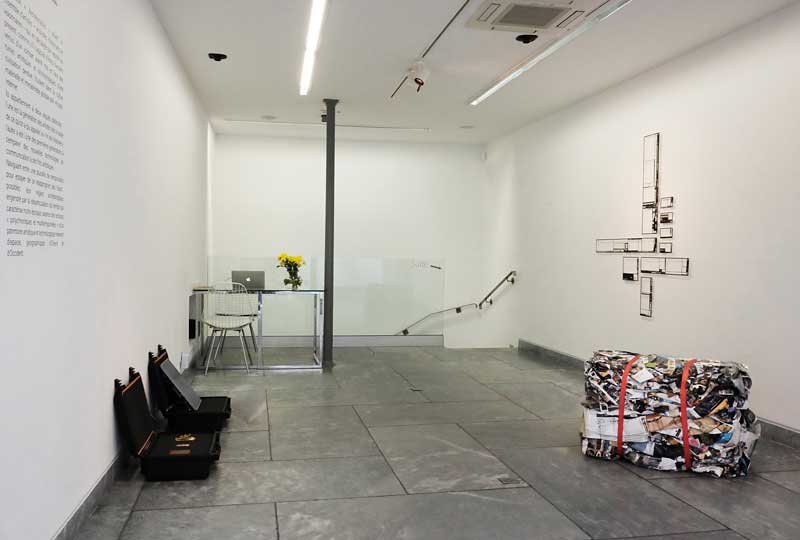
A group exhibition curated by Valentina Peri, Archéonautes brings together seven international artists to explore the ruins of the digital and the new forms of archaeology our technological present demands.

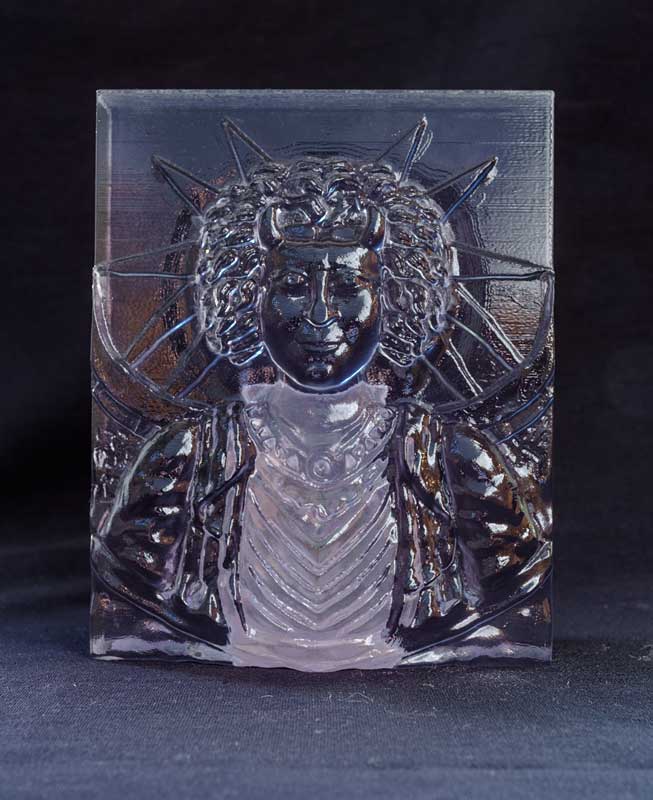
The “archeonaut” is a navigator of the deep time of media — an explorer who dives into the sedimentary layers of our digital culture to unearth lost objects, forgotten protocols and fallen utopias. This neologism, coined for the exhibition by curator Valentina Peri, sums up a concern shared by the artists gathered here: Morehshin Allahyari, Quayola, Evan Roth, Eduardo Kac, Nicolas Maigret, Maria Roszkowska, Clément Renaud, Laurent Mignonneau and Christa Sommerer.
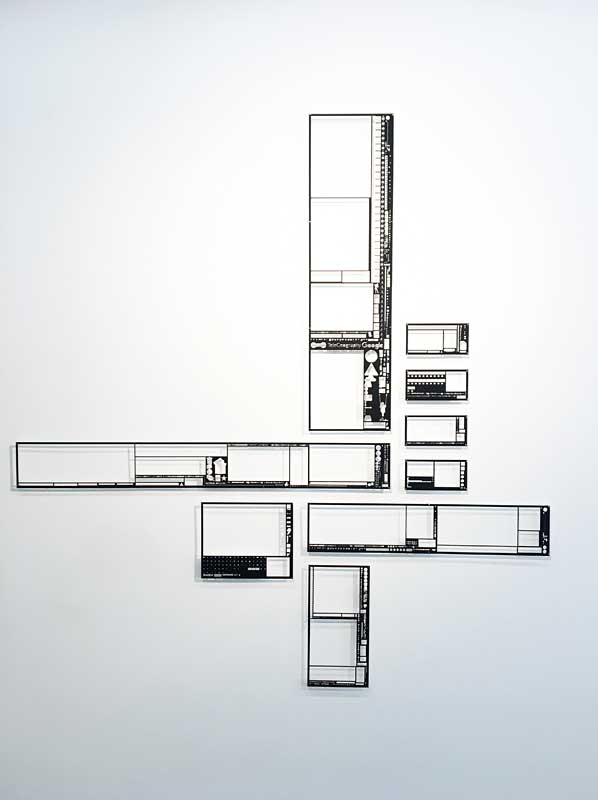
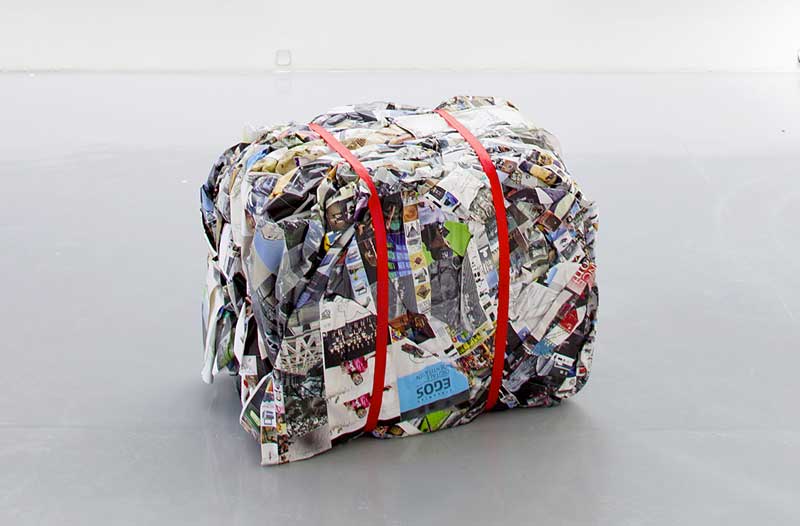
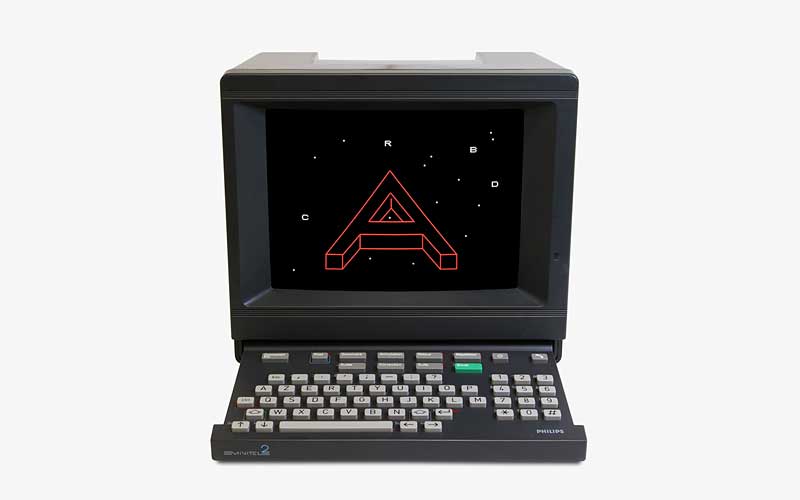
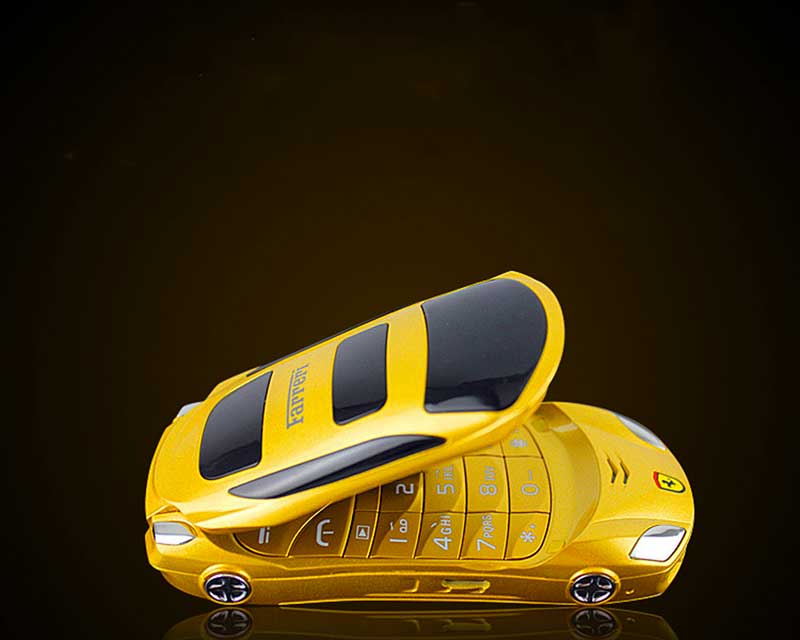
Each in their own way questions the temporality specific to digital technologies — their accelerated obsolescence, their effects on collective memory, their capacity to generate new forms of archiving and loss. Quayola reconstructs landscapes from 3D data, Evan Roth is interested in the traces left on the network, Eduardo Kac explores the boundaries between biology and information. Together, their works compose a map of the digital territories we inhabit without always seeing them — spaces as complex, stratified and fragile as the archaeological sites of Antiquity. Archéonautes invites us to become, for the duration of the exhibition, conscious explorers of our own era.
With works by Morehshin Allahyari, Quayola, Evan Roth, Eduardo Kac, Nicolas Maigret, Maria Roszkowska, Clément Renaud, Laurent Mignonneau & Christa Sommerer
Curated by Valentina Peri
The notion of the “Archeonaut” that gives the exhibition its title is a neologism in which the root of the word “archaeology” is fused with the affix “-nauts”, meaning navigators in ancient Greek. While the first element carries a double meaning — that of the ancient (archaios) but also that of the act of governing and ruling (archein), as Siegfried Zielinski pointed out in his book Deep Time of the Media — the affix “-nauts” refers to a repertoire of figures linked to the experience of travel, whether through the Universe (Astronauts), across the seas that separate East from West (Argonauts) or in Cyberspace (Internauts).
With the word “Archeonaut” we seek to capture the archetype of a wandering being who crosses times and spaces, moving back and forth between West and East, and who also unfolds within the networks of the Internet; to evoke encounters between distant worlds and unexpected crossings between “pasts and futures, past futures and future pasts” (Jussi Parikka, What is Media Archaeology, 2012). The neologism “Archeonaut” thus configures an anthropological universal linked to a search for meaning that calls upon an archaeological gaze.
Two fundamental lessons inform this vision: that of the Archaeology of Knowledge, theorised by Michel Foucault, and, more recently, that of the field of research known as Media Archaeology. While the Foucauldian archaeological method implies that an excavation ultimately only ever elaborates our current situation, and that archaeology is thus always, explicitly or implicitly, an interpretation of the present, Media Archaeology, for its part, suggests that in the media ghosts of the past we might perhaps find the means to better understand the symptoms of the present.
As Mark Fisher observes, whereas the experimental culture of the 20th century was seized by a delirium of combinatorial recycling that led us to believe the new would always be indefinitely available, the 21st century, by contrast, is oppressed by a crushing sense of finitude and exhaustion. “In the last 15 years, the Internet and mobile telecommunications technology have radically altered the character of our everyday experience, to the point that our culture has lost the agility it would need to grasp and articulate the present.” The distinction between past and present ends up fading. From that moment on, cultural time folds back on itself, and the illusion of linear progression is replaced by a strange simultaneity (Mark Fisher, Ghosts of My Life, 2014).
This disruptive moment, which shatters the continuity of contemporary experience, has precipitated the crisis of a teleological historical model that saw history as a continuum and a celebration of the inexorable march of progress — which, at the level of the global economic system, translated into the myths of unlimited growth and technological power.
In this context, the exhibition “Archéonautes” brings together a group of artists — activists, theorists and visionaries — who, out of step with the present, as if they were human beings from a distant future confronted with the artistic and technological ruins of a lost civilisation, dig through the global material and immaterial culture of the pre- and post-Internet eras.
They belong to two distinct waves: one is the generation of artists born at the dawn of what has been called the “end of history”; the other was one of the first generations to seize upon new communication technologies for artistic purposes.
Navigating a plurality of temporalities in an attempt to reclaim possible futures, their archaeological gaze, born of the disjointed time that characterises our era, offers “polychronic and multitemporal” readings (Serres and Latour, Conversations, 1995) of an artistic and technological heritage belonging to the geographical spaces of East and West.

Born in Rome, Italy. Lives and works in London, UK.
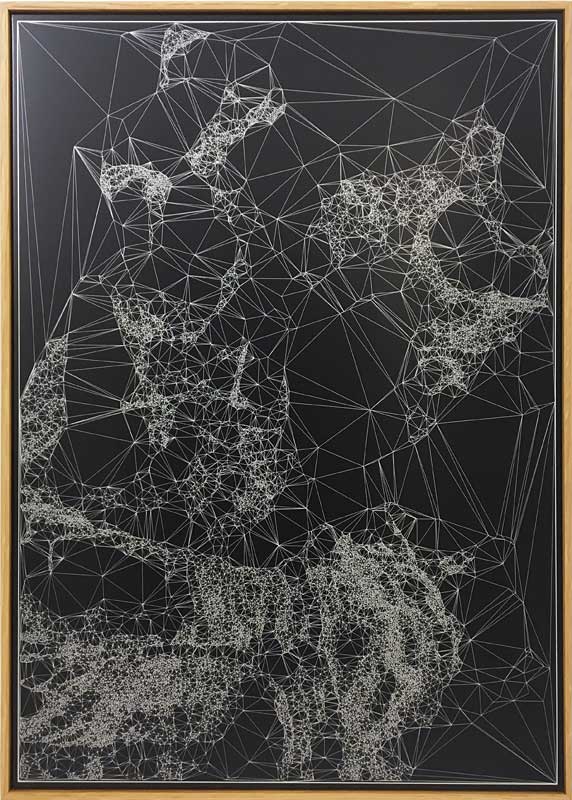
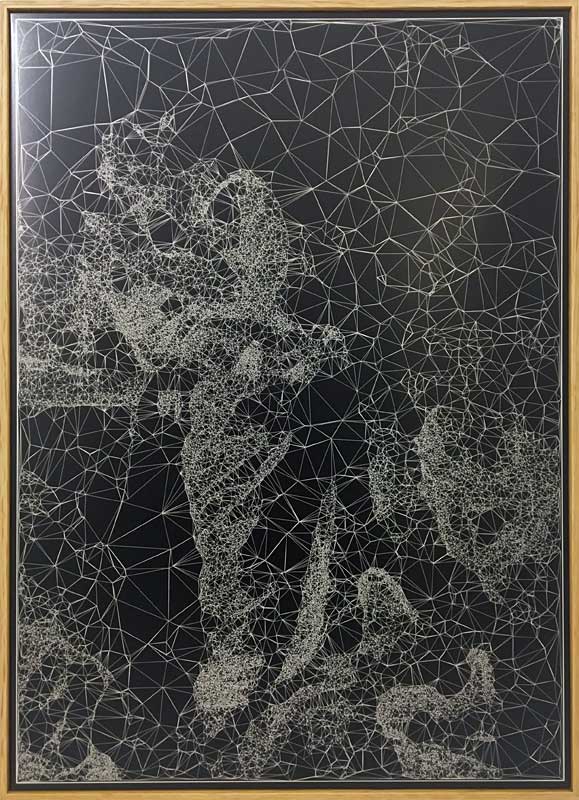
Quayola reimagines classical iconography—Hellenistic sculpture, Old Masters, Baroque architecture—through algorithms that reveal the abstraction hidden within the visible.
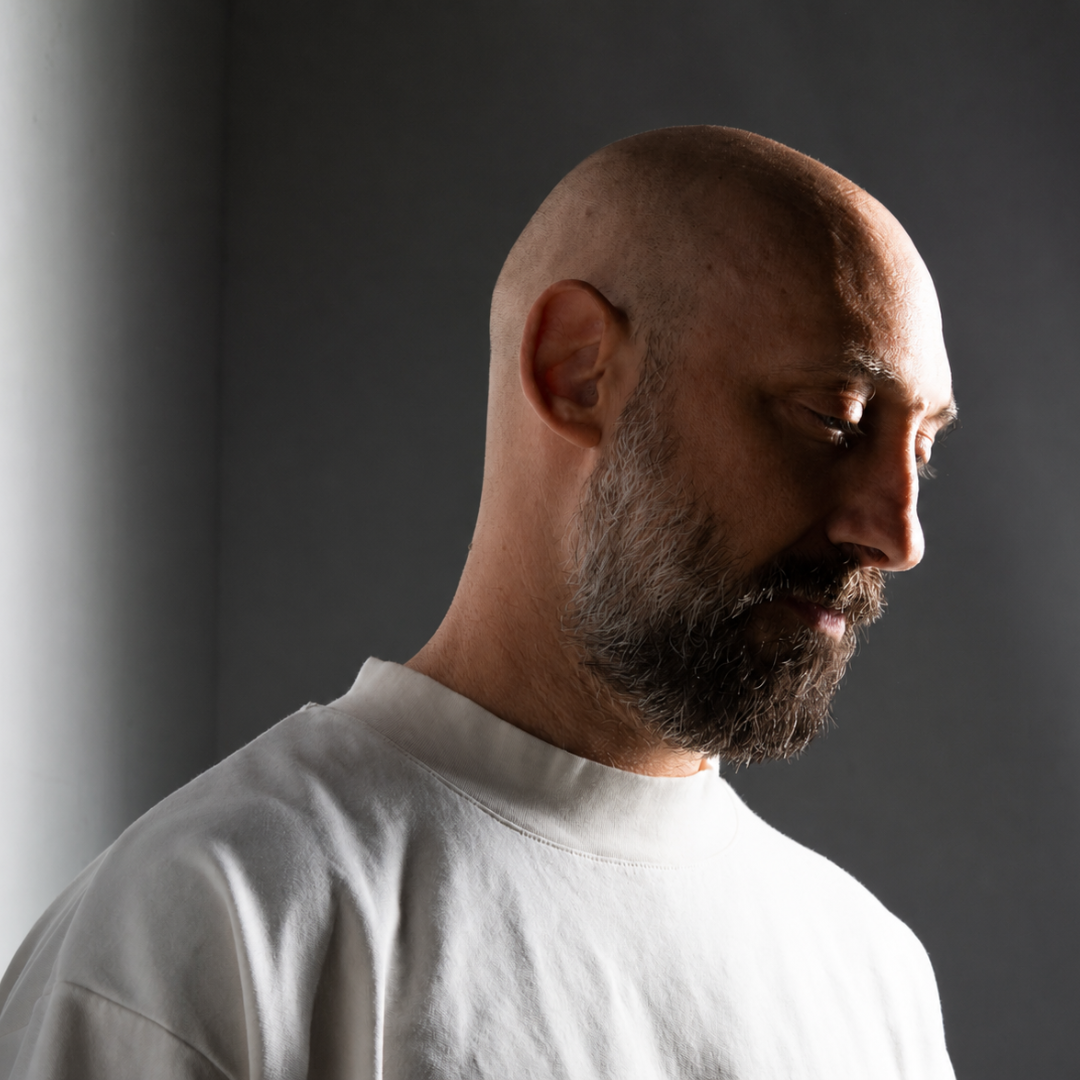
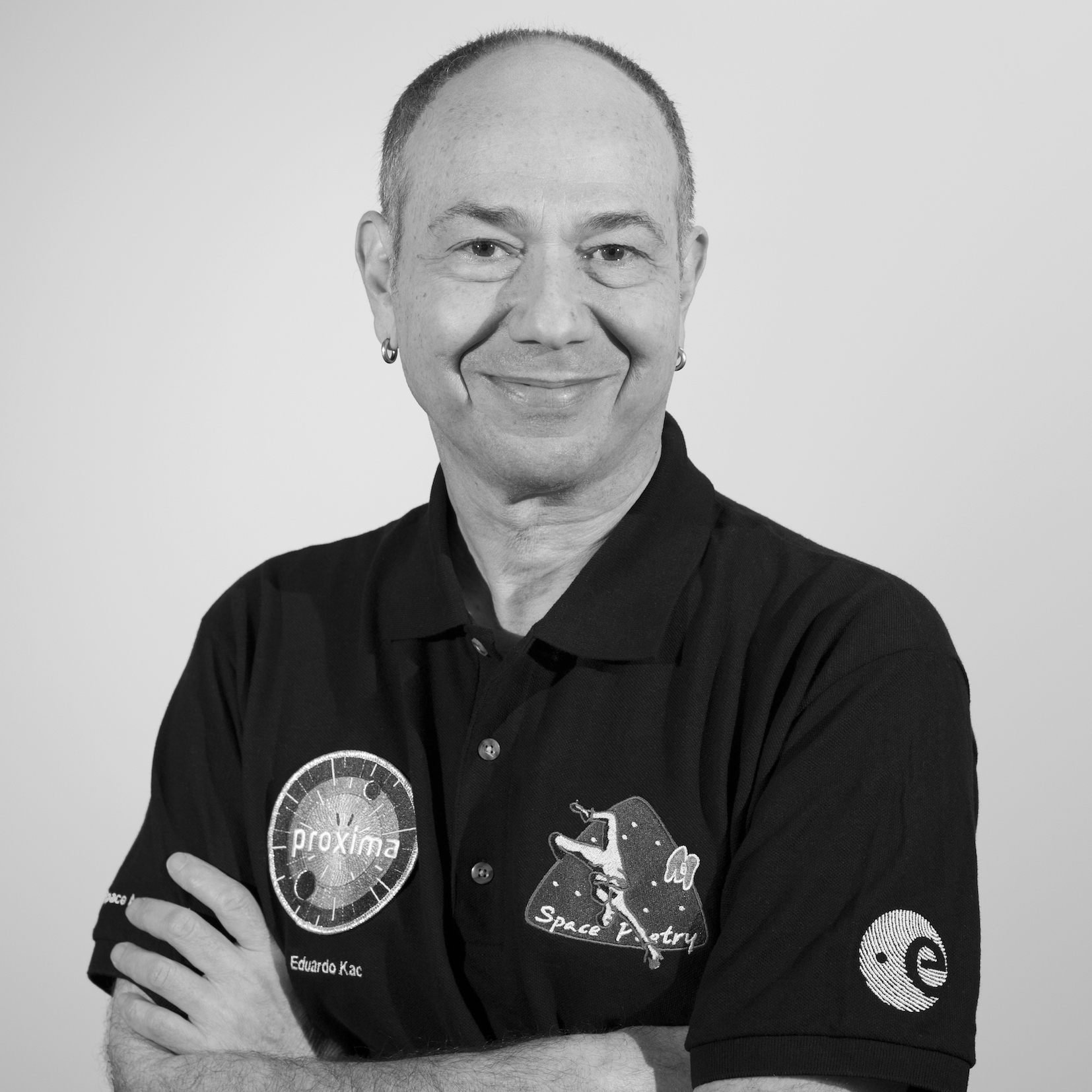
Born in Brazil. Lives and works in Chicago, USA. Global pioneer of bio art.
Eduardo Kac questions the boundaries between art, science, and the living—from the fluorescent GFP Bunny to the first artwork created in space.
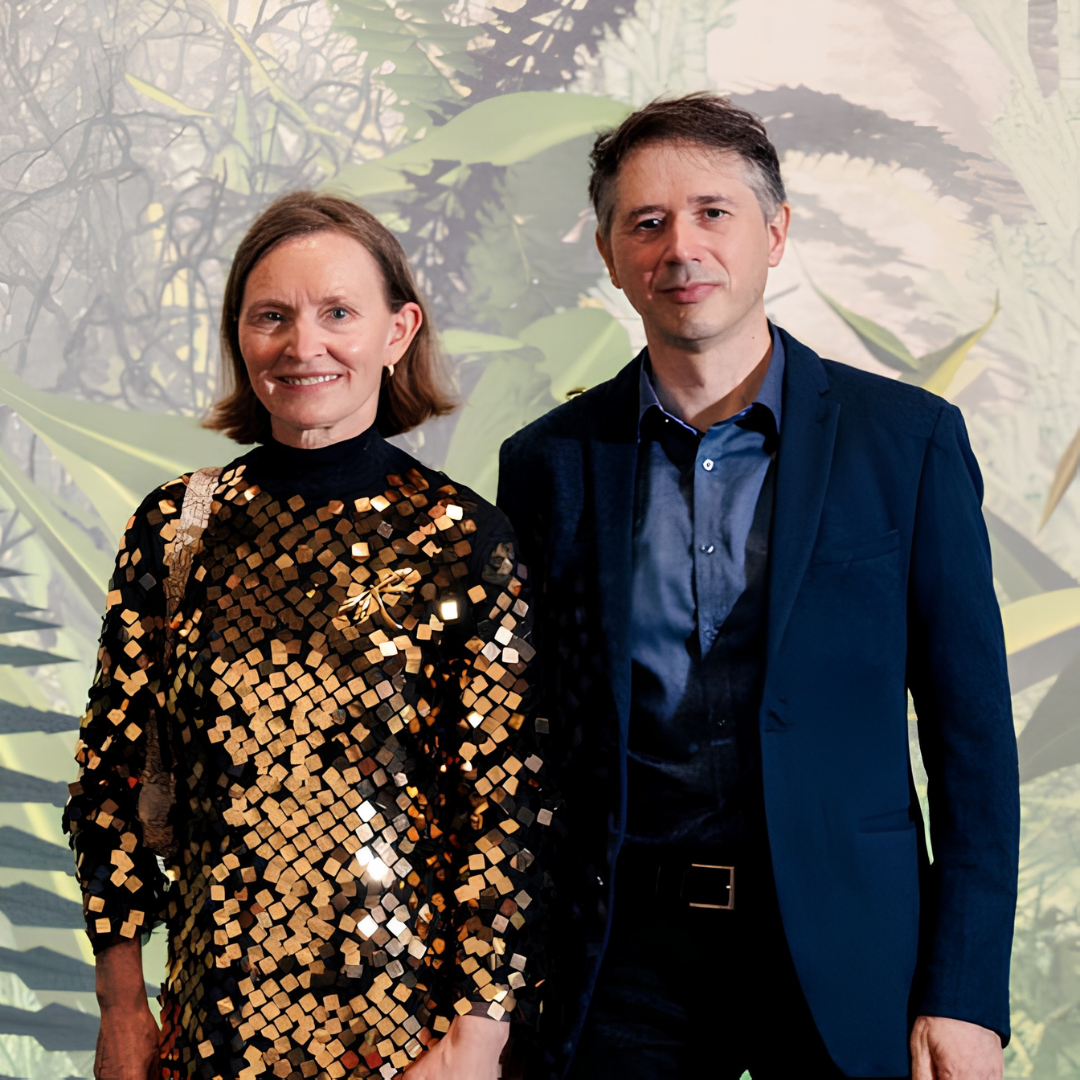
Laurent Mignonneau, French. Christa Sommerer, Austrian. They live and work in Linz, Austria.
As pioneers of interactive art, Laurent Mignonneau & Christa Sommerer create living interfaces where visitors interact with generative ecosystems inspired by nature.
Born in Rome, Italy. Lives and works in London, UK.
Quayola reimagines classical iconography—Hellenistic sculpture, Old Masters, Baroque architecture—through algorithms that reveal the abstraction hidden within the visible.
Born in Brazil. Lives and works in Chicago, USA. Global pioneer of bio art.
Eduardo Kac questions the boundaries between art, science, and the living—from the fluorescent GFP Bunny to the first artwork created in space.
Laurent Mignonneau, French. Christa Sommerer, Austrian. They live and work in Linz, Austria.
As pioneers of interactive art, Laurent Mignonneau & Christa Sommerer create living interfaces where visitors interact with generative ecosystems inspired by nature.



Subscribe to the Newsletter
