.webp)


find us
47 rue Charlot, 75003 Paris, France
Kikar Kedumim 14, Tel Aviv-Yafo, 68037, Israel
contact us
t. +33 (0)1 42 76 02 67
e. info@galeriecharlot.com





Jacques Perconte
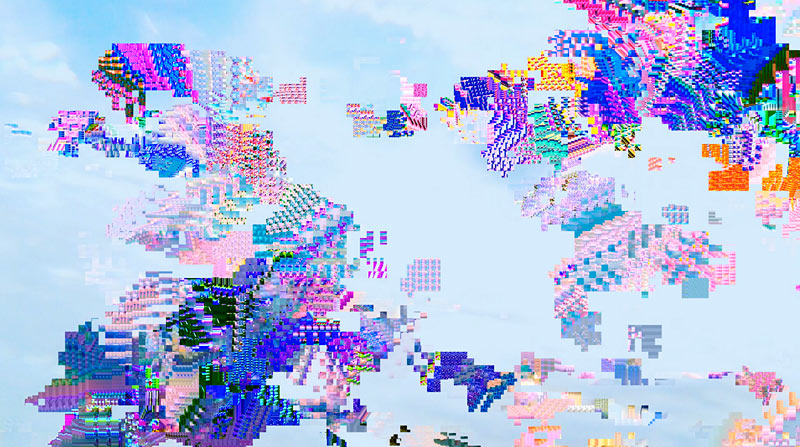
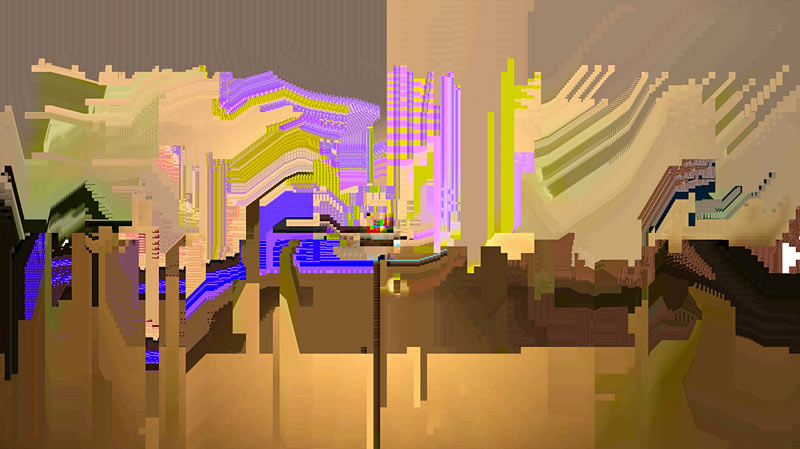
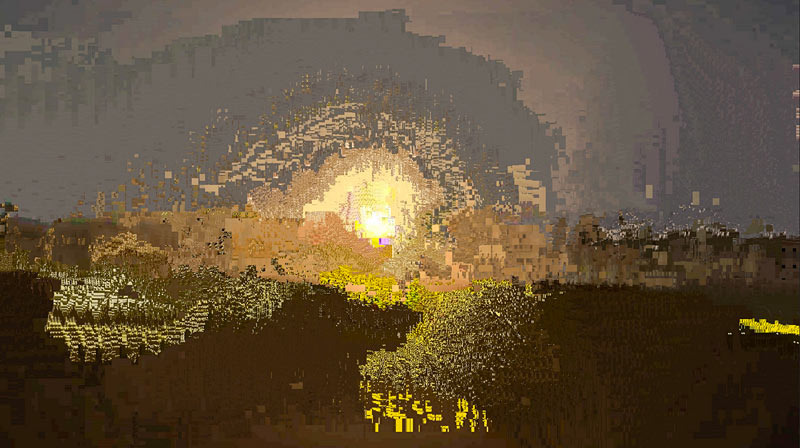
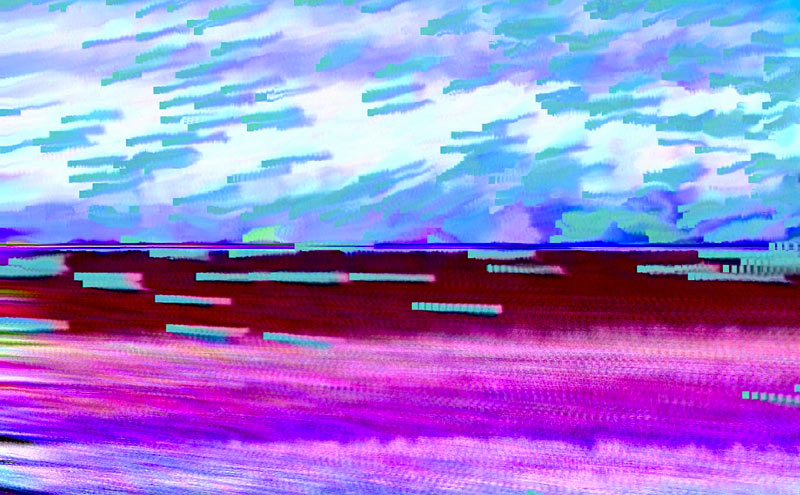
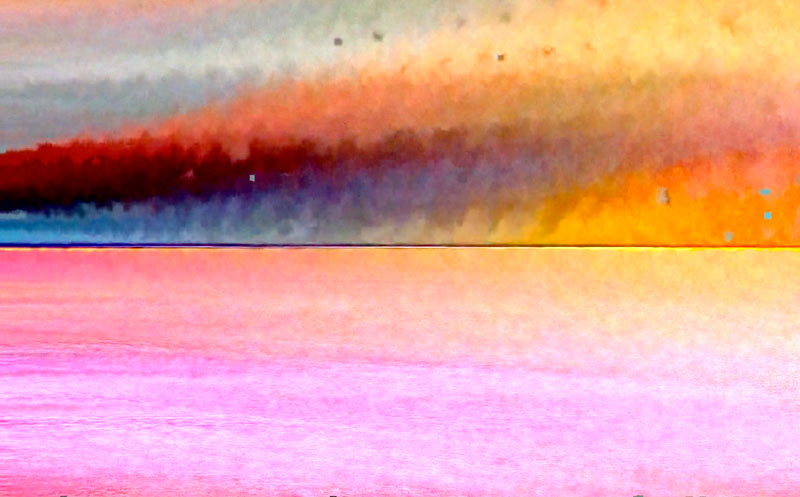
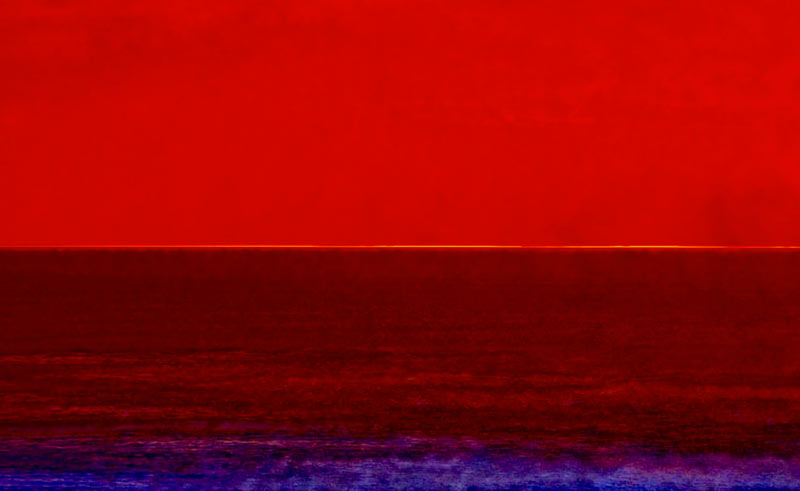
Jacques Perconte explores the paradox of the horizon — a line that is both limit and invitation, physical boundary and metaphysical concept. His digital tools reveal in landscapes a secret vibration that the naked eye cannot perceive, making the visible the antechamber of the invisible.

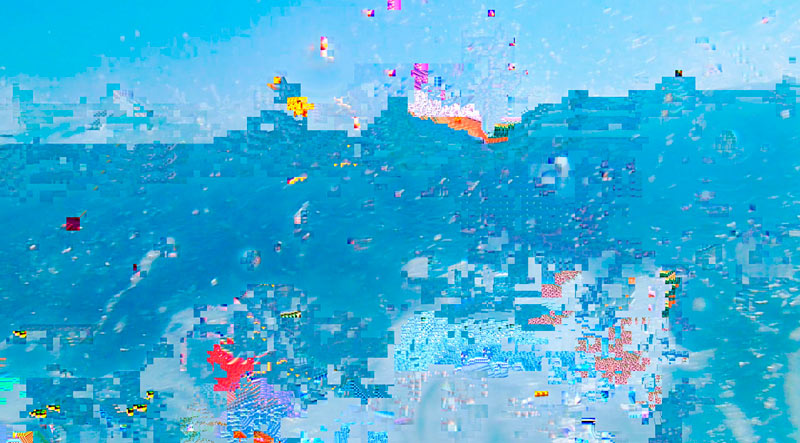
The “Horizons” series marks a moment of synthesis in Jacques Perconte's work, structured around a founding motif: the horizon line, the first structure human beings establish to organise their perception of the world. The horizon is paradoxical by nature: always visible yet never attainable, it belongs simultaneously to sky and earth, to past and future depending on the direction in which we walk.
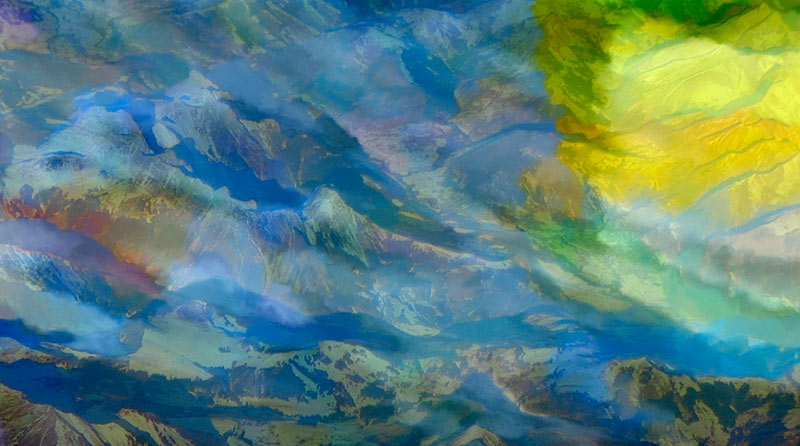
His favourite tools — high-definition cameras, specific encoding algorithms, custom image-processing software — allow him to subject landscapes to processes of transformation that reveal what the naked eye cannot perceive: the hidden frequencies of light, the inner vibrations of matter, the tensions between the different planes of the image. The body of work presented at Galerie Charlot represents a new visual cosmology — a vision of the world that integrates the human body, the sky, the sea and the earth into a reflection on the place of the subject before the immensity of reality. Between physics and metaphysics, the known and the unknown, Jacques Perconte offers us a visual meditation of rare depth on humanity's very first gesture: looking into the distance.
In search of a new cosmology, Jacques Perconte explores the physical world — the body, its surroundings, light, sky, sea, earth — while questioning the place of the subject in the world. With his favourite tools — cameras, encoding algorithms, programming and image-processing software — he interrogates reality through the prism of the horizon, the first construction line of our perception.
Jacques Perconte's works highlight the paradox of this concept: both limited and unlimited, the horizon stands at the crossroads between physics and metaphysics, between knowledge and experience.
Contrary to its common usage, in which the term horizon often designates the equivalent of a personal or subjective point of view, the horizon would be what one sees from that point. This going-beyond is advocated by Hans-Georg Gadamer: “The concept of horizon suggests itself because it expresses the superior breadth of vision that the person who is trying to understand must have. To acquire a horizon means that one learns to look beyond what is close at hand — not in order to look away from it but to see it better, within a larger whole and in truer proportion” (H.-G. Gadamer, Truth and Method, 1996). The “fusion of horizons” in Gadamer is thus the occasion for a “new birth”.
This idea of transformation is also found in Franco Farinelli's definition. According to the geographer, the horizon makes possible the coincidence between local and cosmic order; it forms a hyphen between two representations of the world: a composition of processes and relationships, or a set of things. The horizon line would thus be at once the signal of a metamorphosis and the proof of a stability. To question the horizon, its form, its nature and its function, is therefore always to challenge the existing order and to provoke revolution (F. Farinelli, L'invenzione della terra, 2007).
Likewise, Jacques Perconte's landscapes are processes, movements, relationships, but also information, pixels, parts of code. It is by unveiling this dual nature of the image that J. Perconte questions the horizon and, through it, our relationship to reality. According to Kandinsky, abstraction does not consist in emptying a work of its content, but in eliminating all the elements that refer to the outside of things, in order to reveal what he calls their “inner necessity” (W. Kandinsky, Concerning the Spiritual in Art, 1911).
Making visible the foundations of the digital image means restoring it for what it is, and leads viewers to discern the nature of what they are looking at. It is no longer representation but a flow in which visual matter is encoded within a computational structure, to the point where the two merge. The distance between subject and image, imposed by classical perspective, is here drastically reduced. By upending our bearings, the artist attempts to include the subject in this process and to open it to a series of possibilities. As Céline Flécheux notes, “to give possibility its full possibility while taking into account the contingent conditions in which it can unfold — such is the wish of the horizon championed by Bloch” (C. Flécheux, L'horizon, 2014).
Jacques Perconte's installations might lead one to believe that today the horizon is rather the screen, the medium of the world's images. Is the screen not what all eyes are turned towards? The place where — to borrow Deleuze's definition of cinema — the world becomes its own image? It is precisely by deconstructing the uses of technology and by exploring the different ways of thinking the horizon visually that Jacques Perconte invites us to reposition ourselves fully within reality.

Lives and works in France. Pioneer of net art and French digital painting.
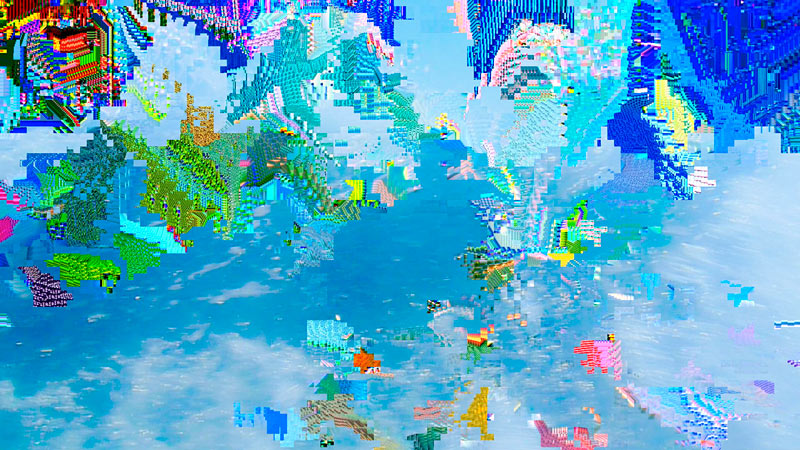
Jacques Perconte transforms video compression errors into vibrant pictorial material, questioning space, color, and landscape through the machine's shortcomings.
Lives and works in France. Pioneer of net art and French digital painting.
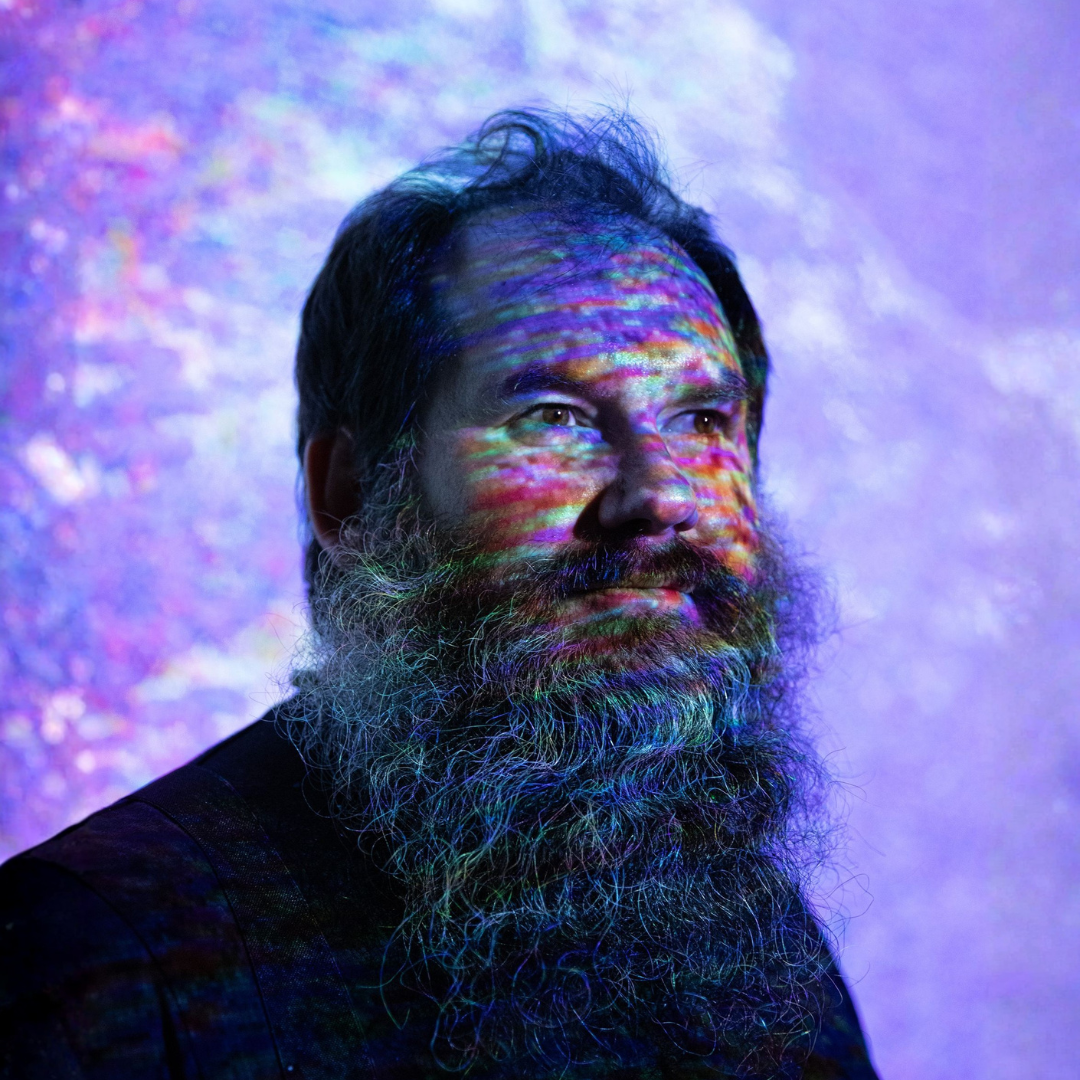
Jacques Perconte transforms video compression errors into vibrant pictorial material, questioning space, color, and landscape through the machine's shortcomings.



Subscribe to the Newsletter
