.webp)



find us
47 rue Charlot, 75003 Paris, France
Kikar Kedumim 14, Tel Aviv-Yafo, 68037, Israel
contact us
t. +33 (0)1 42 76 02 67
e. info@galeriecharlot.com





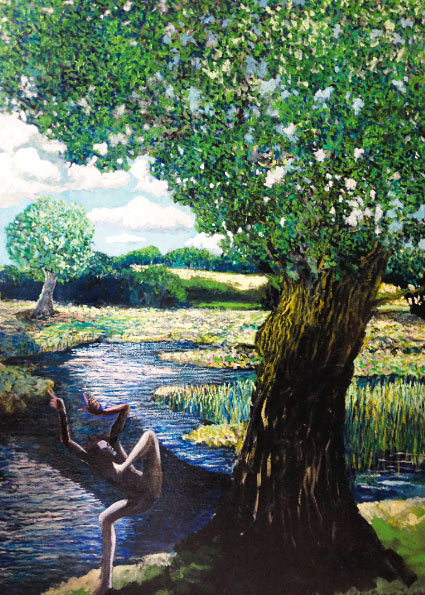
Greta Pasquini works with memory and time through drawing and the transformation of ordinary objects. Till receipts, cardboard tubes and packaging, collected with fetishistic care, become the materials of a poetic universe where the intimate meets the universal.


Greta Pasquini's work is rooted in the most concrete everyday life — those objects we keep without really knowing why, that waste at once beautiful and dirty which accumulates our gestures and our days. Till receipts, cardboard tubes, all kinds of packaging: so many traces left by ordinary life, material proof of an existence in progress.
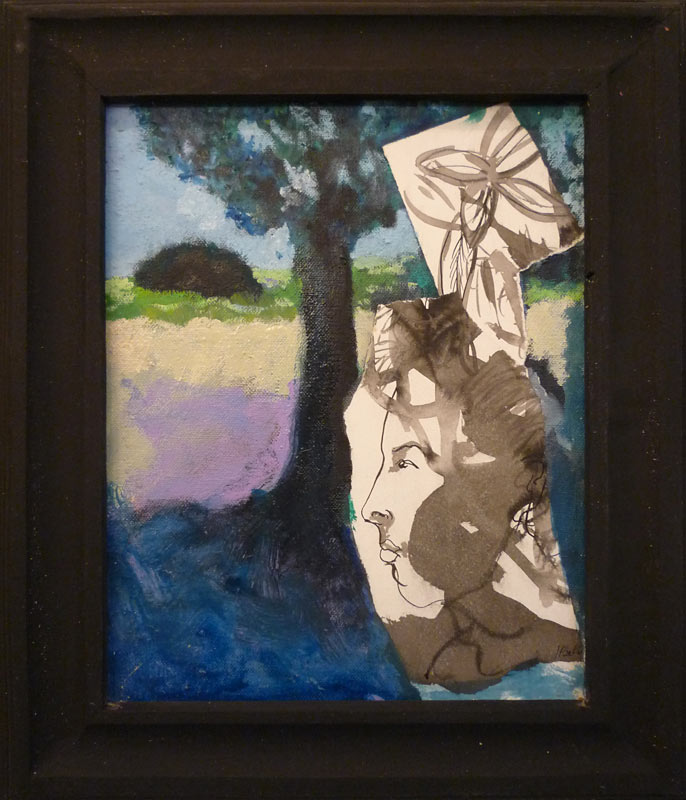
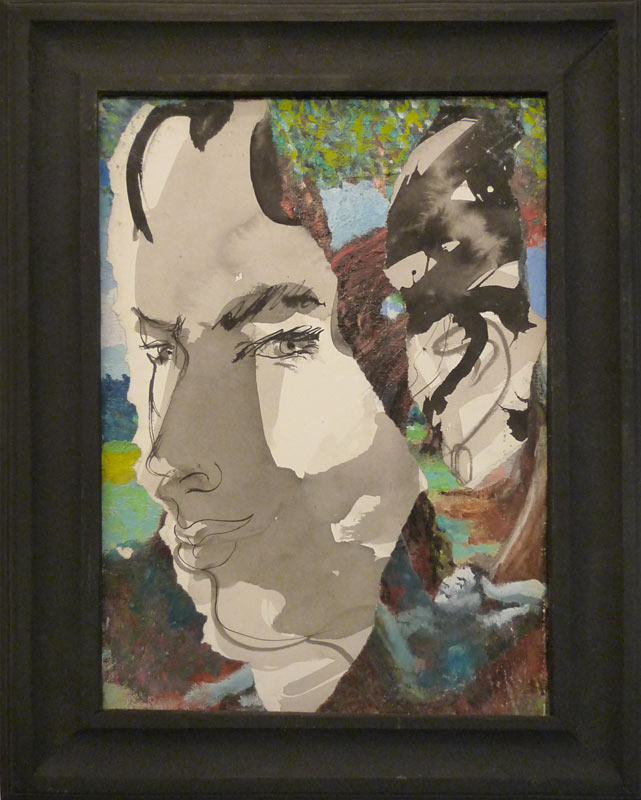
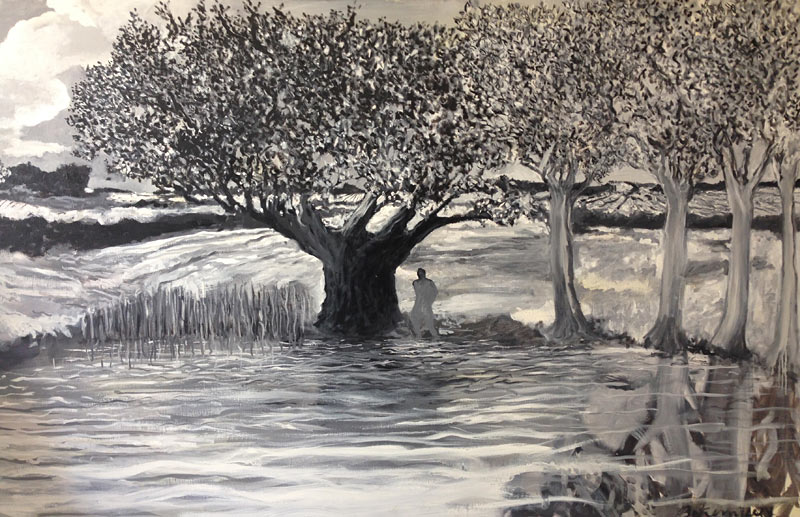
Her relationship to material is at once rigorous and sensitive. She does not merely collect these objects: she transforms them, reinterprets them and integrates them into compositions that give them a new dignity. The artistic gesture here operates as a form of sublimation of the banal, revealing in each humble thing an unsuspected memorial and symbolic charge. The themes running through her work — childhood, death, loss, discovery, transformation, transmission — are those of the great stages of human existence. But Greta Pasquini always approaches them through the particular, seeking through her personal experiences a shared sounding board with the viewer. In “Des arbres et des histoires”, her works enter into dialogue with those of Laurent Bétremieux, creating a space for poetic reflection on memory, nature and the passage of time.
At the outset there is a desire to work with the everyday, to seek through personal experiences a shared sounding board with others. Childhood, death, loss, discovery, the imponderable, transformation, transmission... Greta Pasquini works with the material of memory and of time: the trace… She expresses herself through drawing and the transformation of ordinary objects, accumulated through a kind of fetishistic reflex, an attraction to certain kinds of waste that are both dirty and beautiful: till receipts, cardboard tubes, packaging... Her work takes shape and grows in the soil of her memories, drawing its strength from the tension between physical presence, the echo of the events that inspired it and the viewer's experience.
Greta Pasquini was born in Florence in 1970. Her father designs and builds prototypes of electric cars; her grandfather carried out acoustic research. Influenced since childhood by this atmosphere of technical creation, she began her training at the engineering school in Bologna. After graduating she worked with Giancarlo De Carlo, architect and intellectual, in Milan. In 2000 she moved to Paris, where she graduated from the École d'Architecture de Paris La Villette, worked with Renzo Piano and came into contact with the Parisian art world. In 2009 she completed her first personal architectural project: a group of residences in the hills of Bologna, built on the site of her grandparents' house and garden. It was after this experience that Greta Pasquini decided to leave architecture and turn to the visual arts. She thus began to develop an artistic practice inspired by the story of this vanished garden.







Subscribe to the Newsletter
