.webp)


find us
47 rue Charlot, 75003 Paris, France
Kikar Kedumim 14, Tel Aviv-Yafo, 68037, Israel
contact us
t. +33 (0)1 42 76 02 67
e. info@galeriecharlot.com





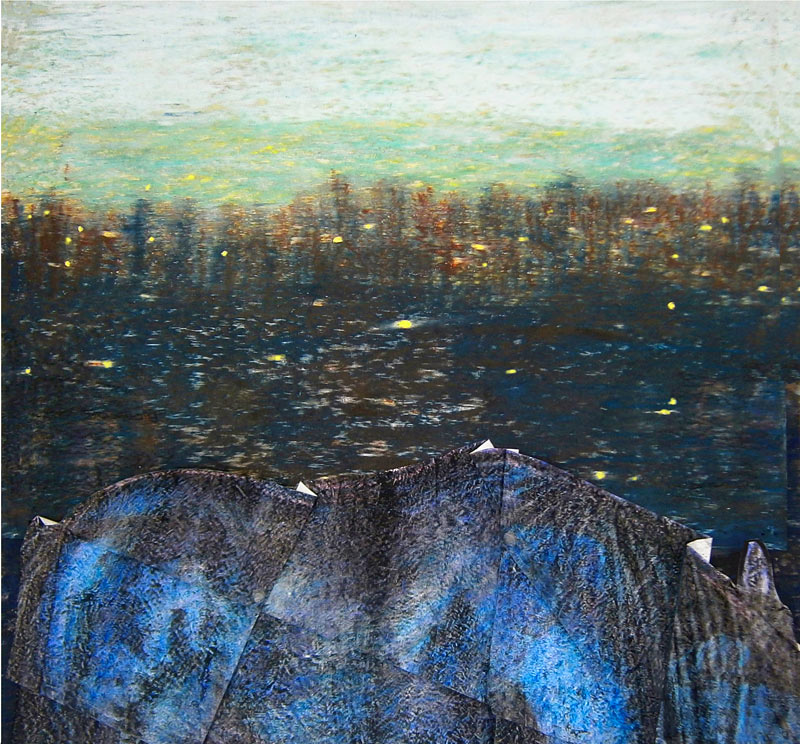
Patrick Chambon
“Le papier dans tous ses états” brings together several artists around a millennia-old material reinvented. Folds, creases, cut-outs and layerings reveal the unsuspected potential of paper as a space for thought, play and contemporary poetry.

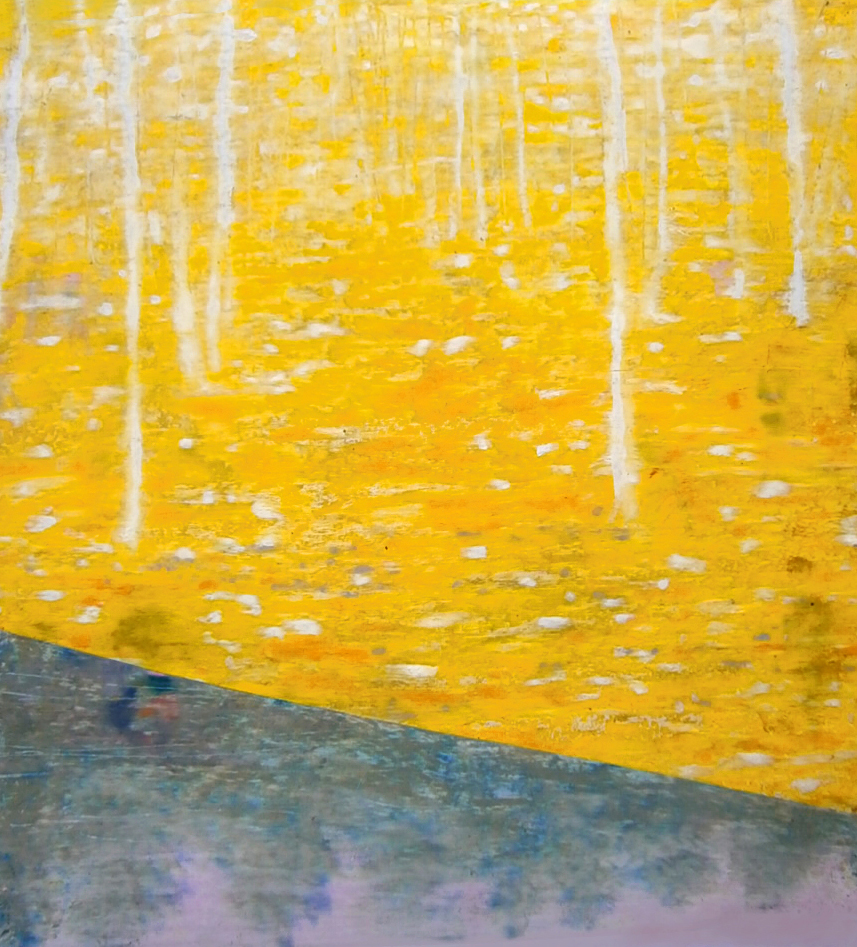
Paper is at once the humblest and the most charged of artistic materials. The support for writing, printmaking and drawing, it is also, in this group exhibition, raw material, subject and medium all at once. The works brought together question its physicality — its lightness, its resistance, its transparency — as much as its symbolic and poetic potential.
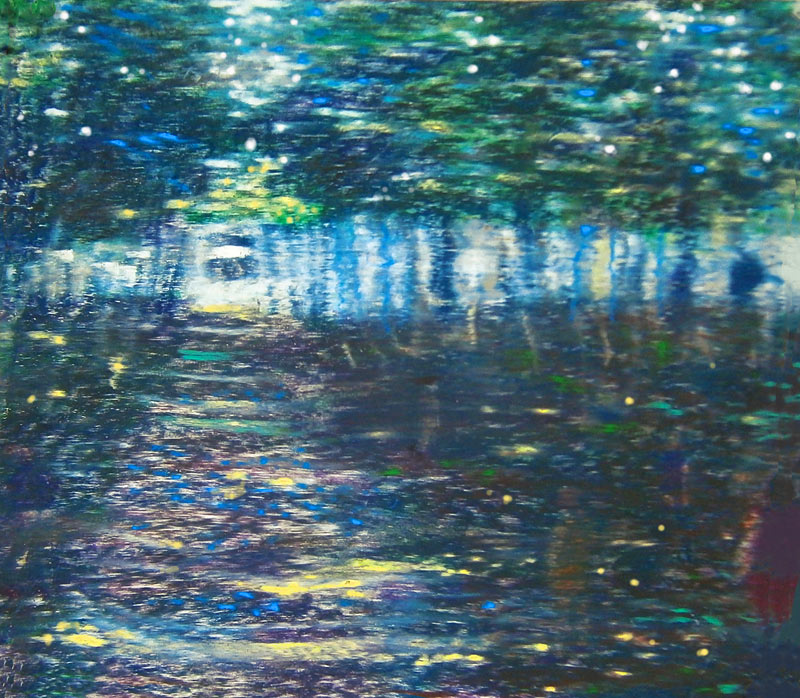
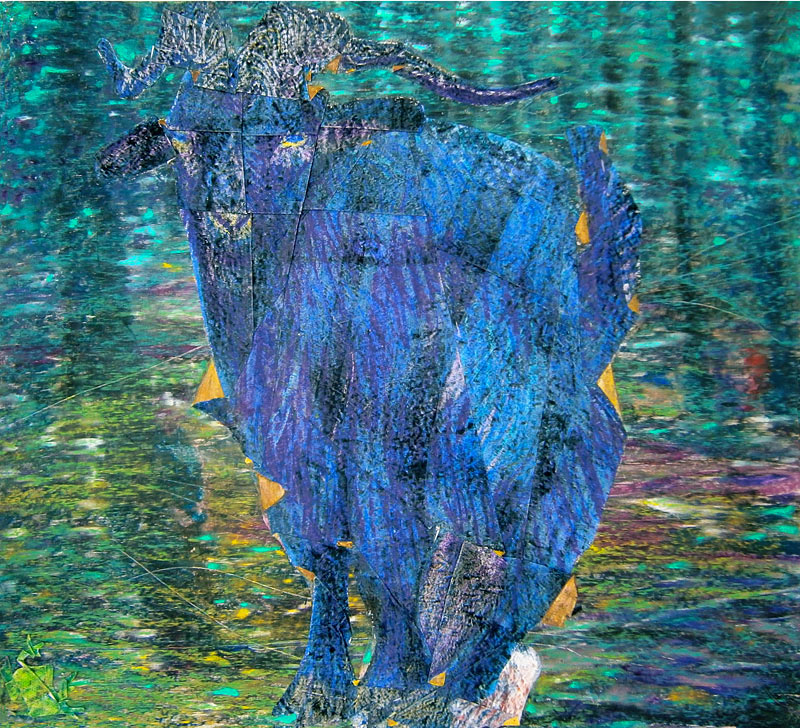
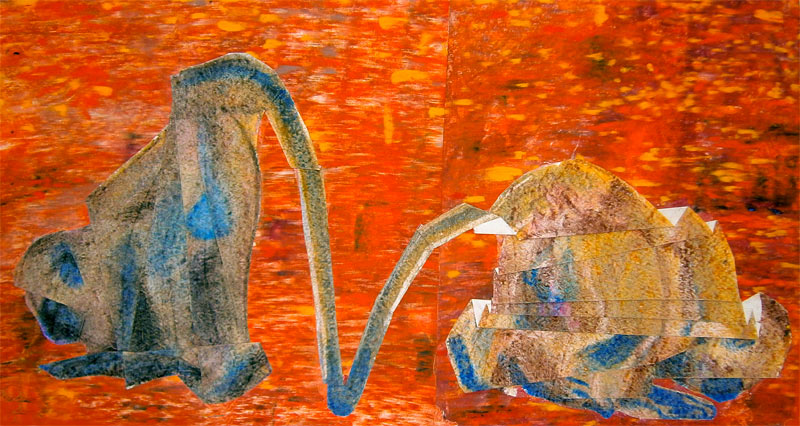
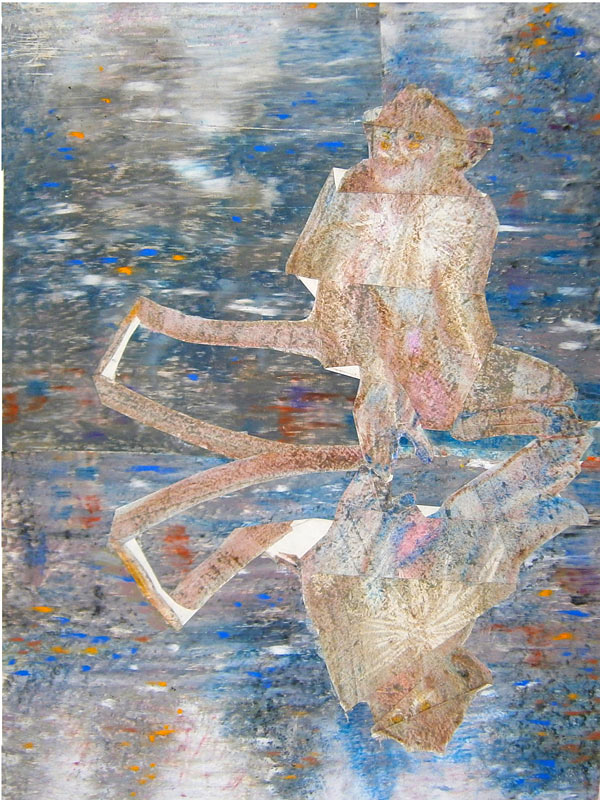
From folded paper sculptures to hybrid works combining traditional supports and digital processes, the exhibition offers a journey through the many states of a single material. Patrick Chambon presents his folded paper sculptures of striking architectural precision, each fold virtually containing its opposite — the extension, the reverse, the possible form. Pontus Carle, for his part, brings a painterly sensibility to mixed techniques on paper, making this support a field of experimentation between printmaking, drawing and painting. Together, these artists reveal paper not as a neutral ground but as a protagonist in its own right, capable of memory, tension and surprise.
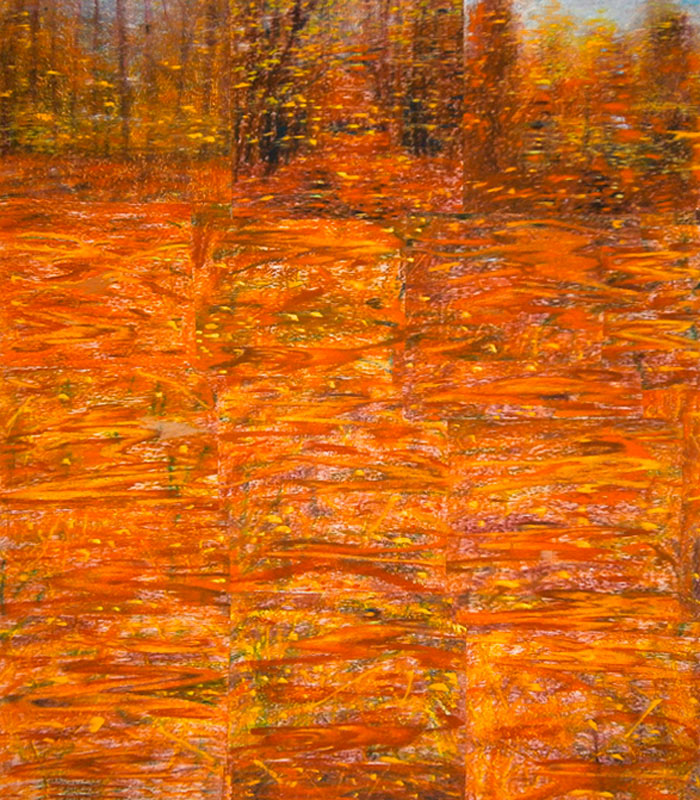
It is not only life that lies in the folds, as Michaux said — thinking perhaps of faces and clothes at the end of the day — but also two contained principles: before the folded form, the viewer virtually plays with its extension and its reverse. And on the other hand, to stretch and contract this formed image is also, through the folds, to give it a semblance of the reality of the object, which one might forget in the flat appearance of its representation. An object, a thing handled, rolled up, crumpled, pushed into its receiving space like an animal being coaxed back into its cage, where that portion of artificial nature awaits it. Before this paper skin that forms the animal, it seems that this “fallen drapery” — as Didi-Huberman called the modern remains fallen from idols and other Venuses (“Ninfa Moderna”, Gallimard) — can be picked up, and that with this drapery, like a cape, we can wrap ourselves for a moment in the impressions of childhood. And set off with it into the landscape. For here the landscape makes its entrance. I began by placing it very distantly, blurred like a background colour that would set off the form, like the memory of a faraway atmosphere from which the animal might come. Before which it passes, or into which it withdraws for a moment. And then night fell on this landscape and, with it, came its scenes and the imperceptible silhouettes that haunt the woods. Where nothing is sure to be seen and everything is imagined. Like the photographer in Antonioni's Blow-Up, David Hemmings, who that afternoon, in the park where he surprises two lovers, records a scene without seeing it. Developing the photographs in the darkness of the darkroom will unfold it before his eyes, in the meanders that a setting had hidden from his gaze. Developed by his imagination, the scene may never have taken place. These are parks and strollers looking at us within the folded enclosure that we form — they, the beast, and we here.





Subscribe to the Newsletter
