.webp)



find us
47 rue Charlot, 75003 Paris, France
Kikar Kedumim 14, Tel Aviv-Yafo, 68037, Israel
contact us
t. +33 (0)1 42 76 02 67
e. info@galeriecharlot.com





Galerie Charlot hosts the presentation of Valero Gadan Architectes' architectural project for the Institut Imagine — dedicated to genetic diseases at the Hôpital Necker — created in collaboration with Ateliers Jean Nouvel and facade graphic designer Hiroshi Maeda.

Founded in 2007, the Imagine Foundation for scientific cooperation chose to establish at the heart of the Hôpital Necker-Enfants Malades campus a singular building devoted to research into and care for genetic diseases. The presentation of this project at Galerie Charlot is a rare event: a contemporary art gallery opening its spaces to architecture as a fully fledged artistic and humanist practice.
Valero Gadan Architectes, in collaboration with Ateliers Jean Nouvel for certain aspects of the facades and graphic designer Hiroshi Maeda for the exterior graphic treatments, designed a building that seeks a gentle break with the surroundings of the Gare Montparnasse district. Far from the violent ruptures of the Modern Movement, Imagine plays a more complex score, combining stone with contemporary devices and graphic motifs drawn directly from genetic research. The building is designed to house both cutting-edge laboratories and care facilities, translating into architecture the institute's founding mission: to reconcile scientific rigour with the human dimension of care. Hiroshi Maeda's facades give the whole a strong visual identity, at the crossroads of molecular biology and contemporary graphic design.
With Ateliers Jean Nouvel Architectes and Hiroshi Maeda (facade graphics)
Institut Imagine – Institute of Genetic Diseases / Hôpital Necker Enfants Malades APHP
« Founded in 2007, the Imagine Foundation for scientific cooperation decided to build, on the campus of the Hôpital Necker-Enfants Malades, a research and care institute devoted to genetic diseases and to those affected by them. […] Far from the ruptures of Modern Movement architecture, of which the nearby Gare Montparnasse district is the paragon, Imagine plays a more complex score […] To the stone that dominates its neighbours, [the Institute] prefers glass, and glass alone.
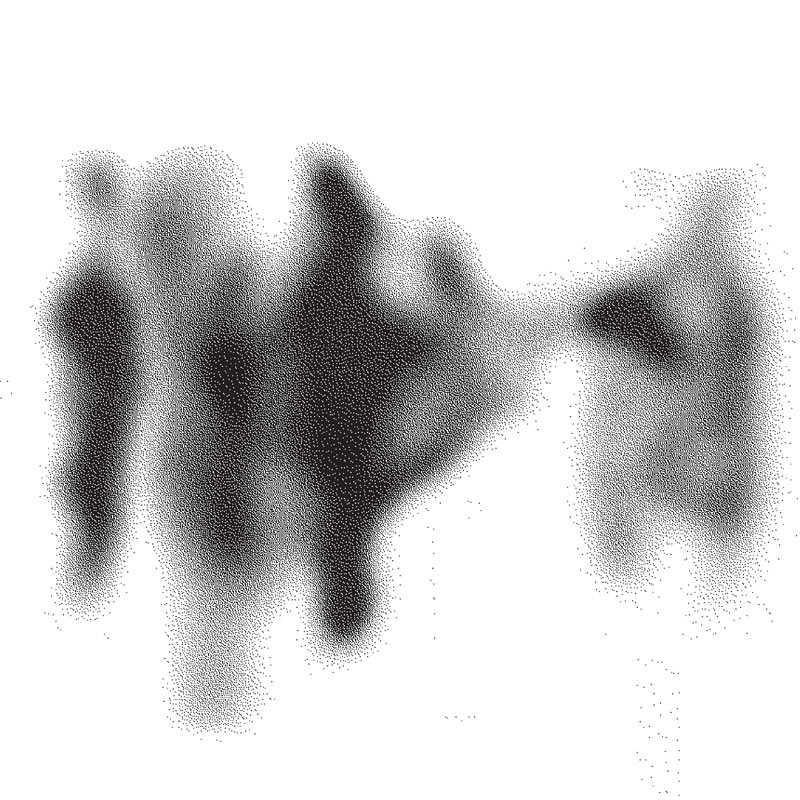
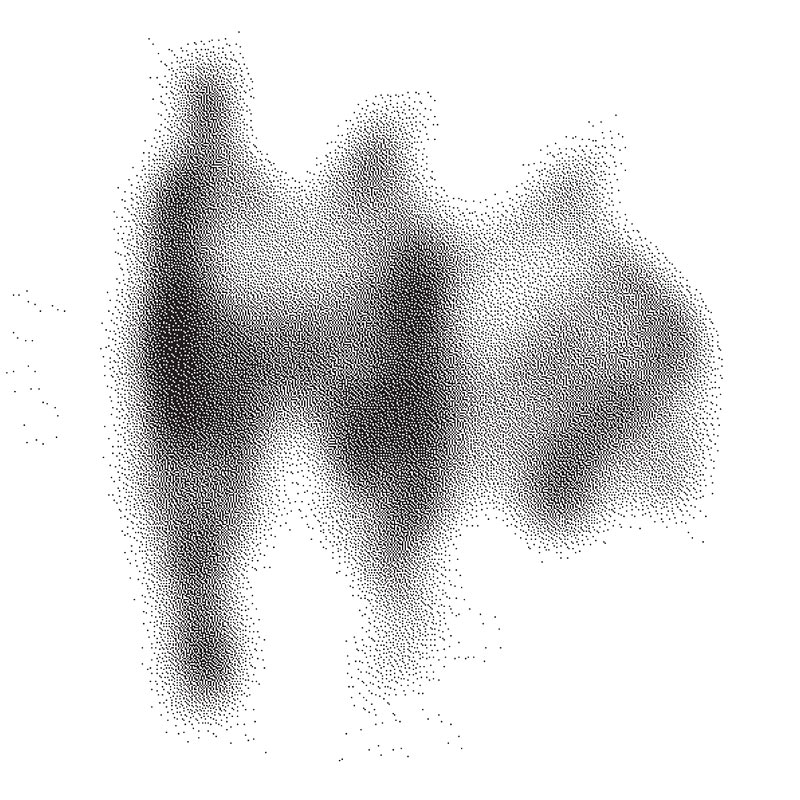
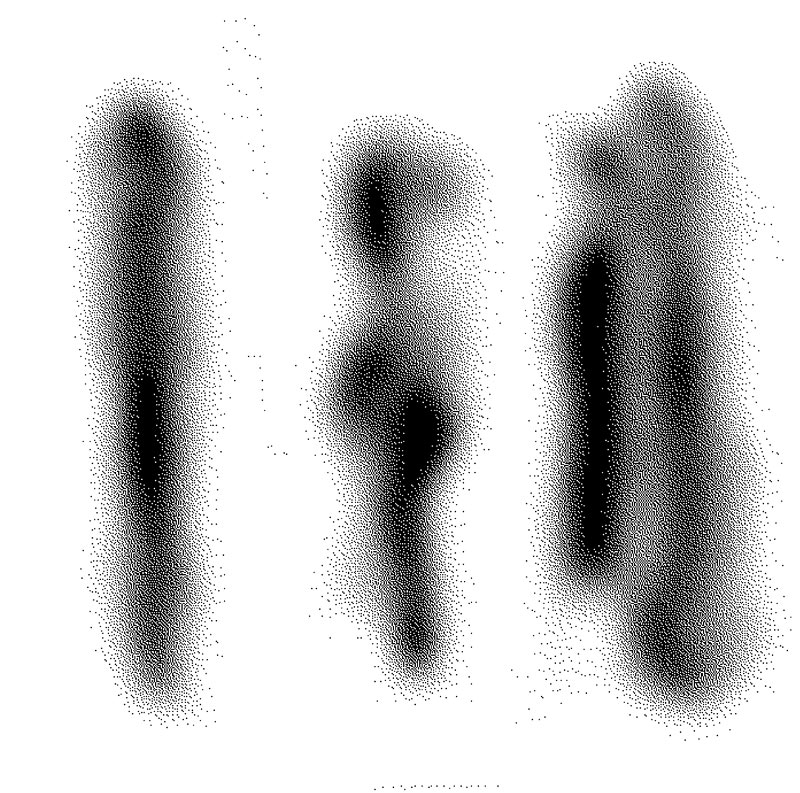
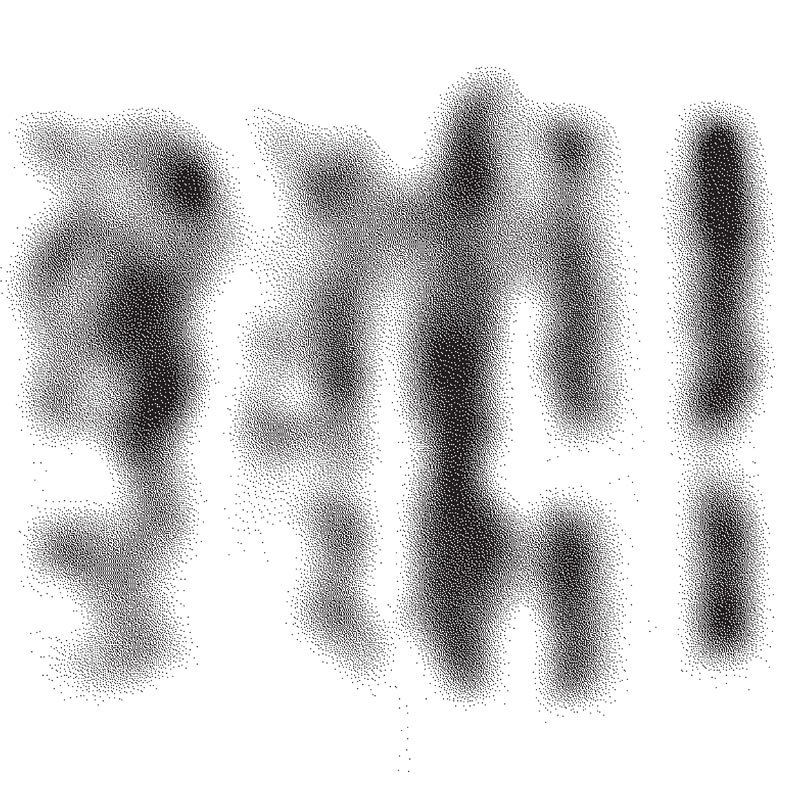
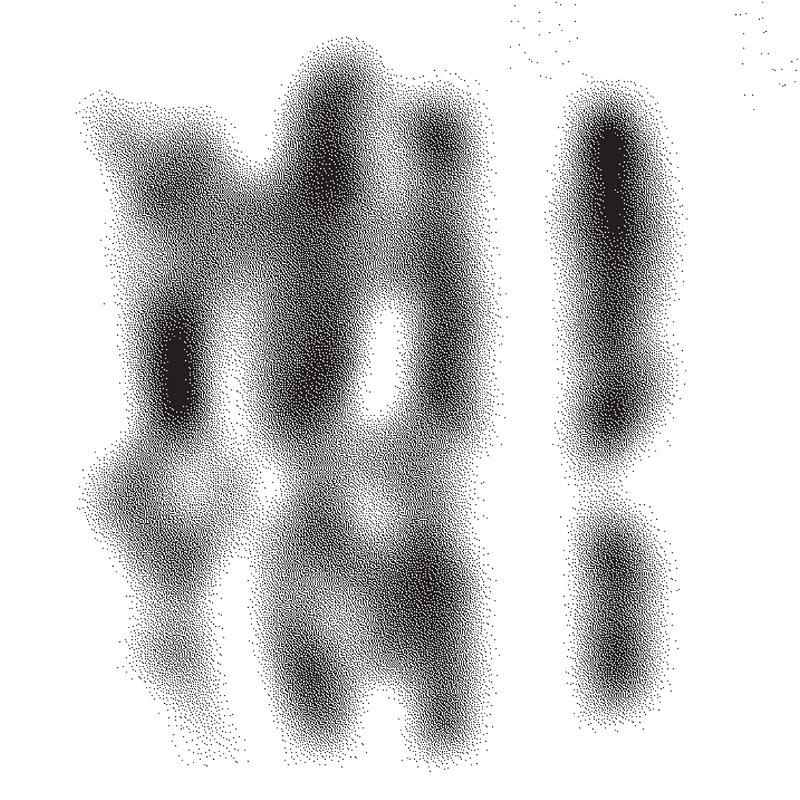
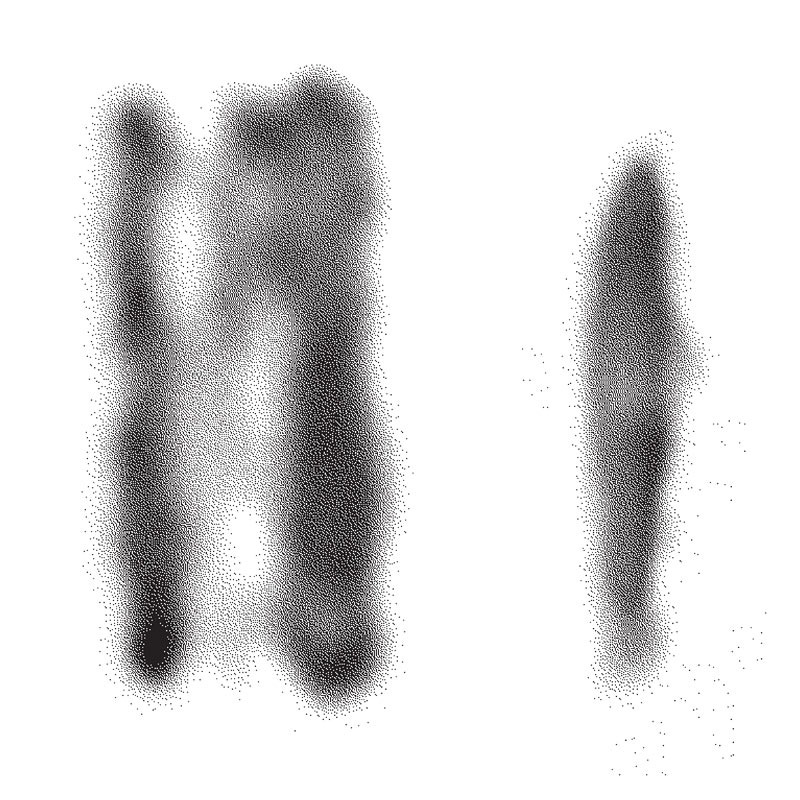
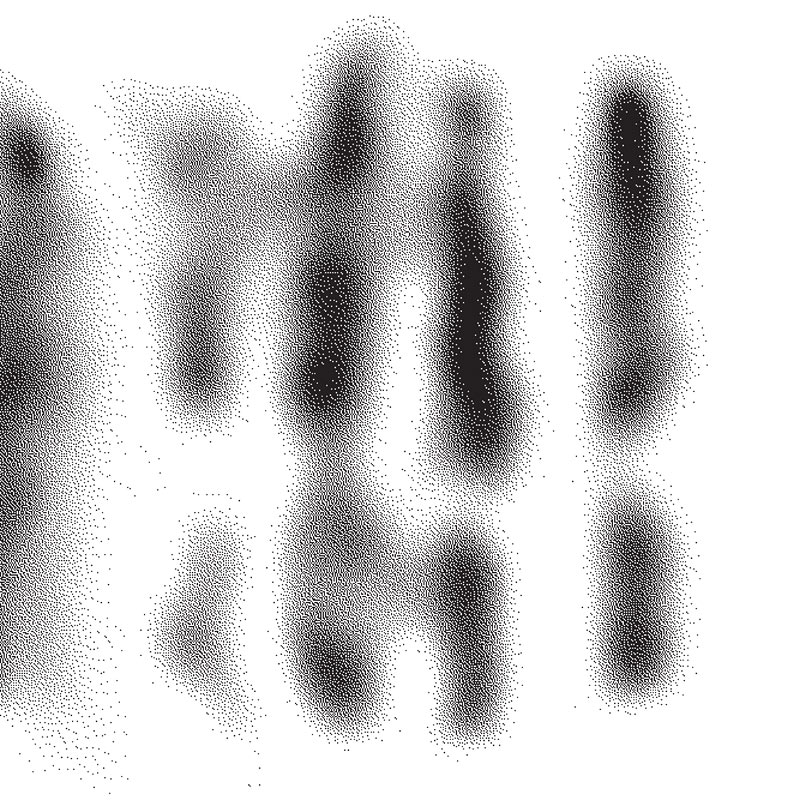
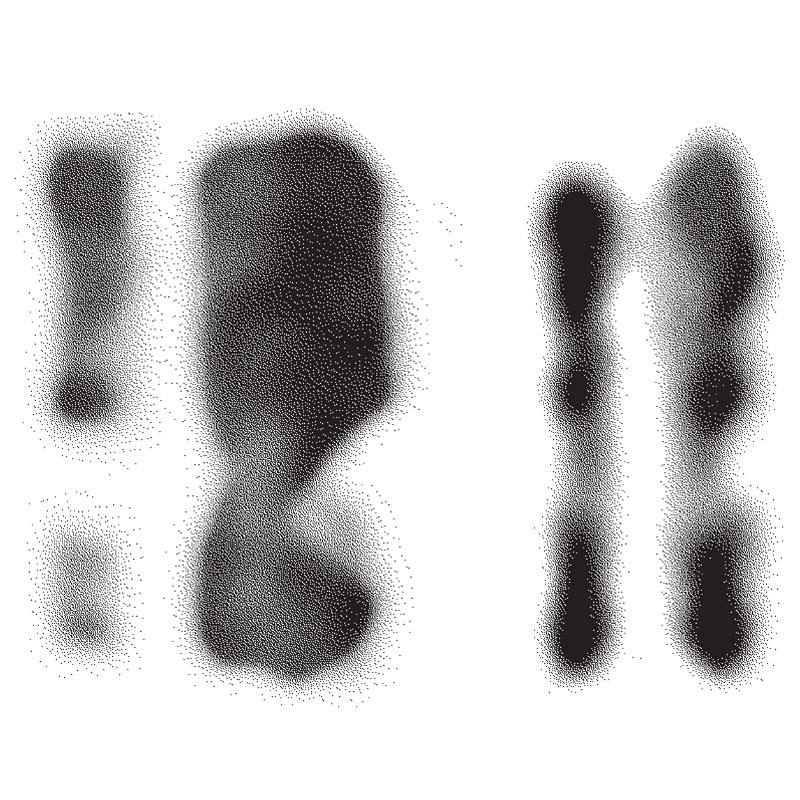
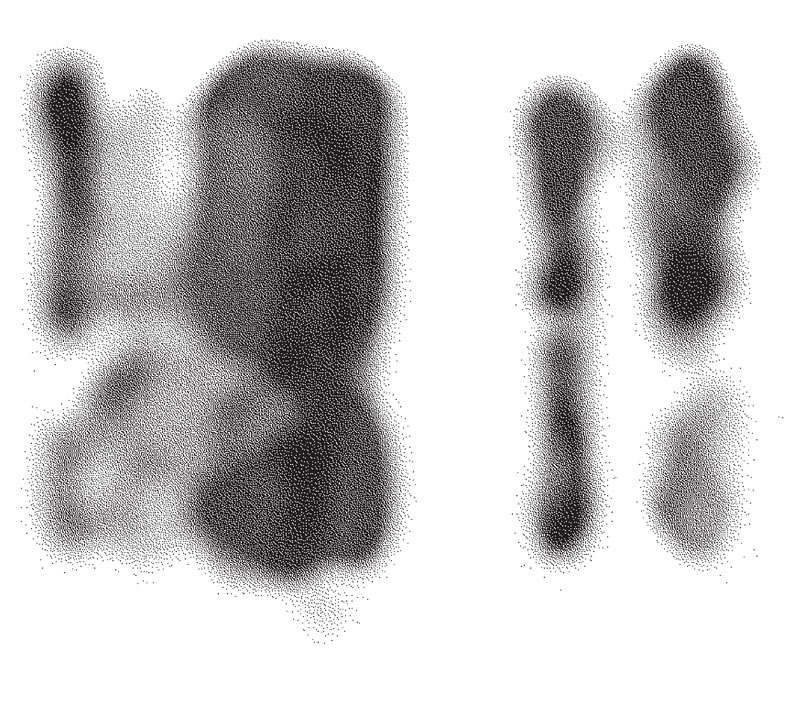
Of the 1,750 windows on the facades, 1,100 are screen-printed in a range of whites, from milky to misty, opaque to diaphanous. Against these shifting backgrounds stands out an unusual image, difficult to identify. The architects wanted to find a figure that would symbolise and embody the building's activity: representations of DNA, its helices or others. In the end, the choice fell on the wildly enlarged profile of a protein standing upright and repeated in different sizes. Multiplied into constellations, it covers all of Imagine's facades except the west side, and signs its identity. While everyone interprets the sign as they wish, once forewarned it is hard not to see in it the Monsieur Hulot-like silhouette of a child and its parents who, on entering here, hope to leave together with reasons for hope. The image becomes clear on approaching the exterior facades when, curious to understand what these anthropomorphic drawings are made of, visitors come to look and touch ».





Subscribe to the Newsletter
