.webp)



find us
47 rue Charlot, 75003 Paris, France
Kikar Kedumim 14, Tel Aviv-Yafo, 68037, Israel
contact us
t. +33 (0)1 42 76 02 67
e. info@galeriecharlot.com





Zaven Paré
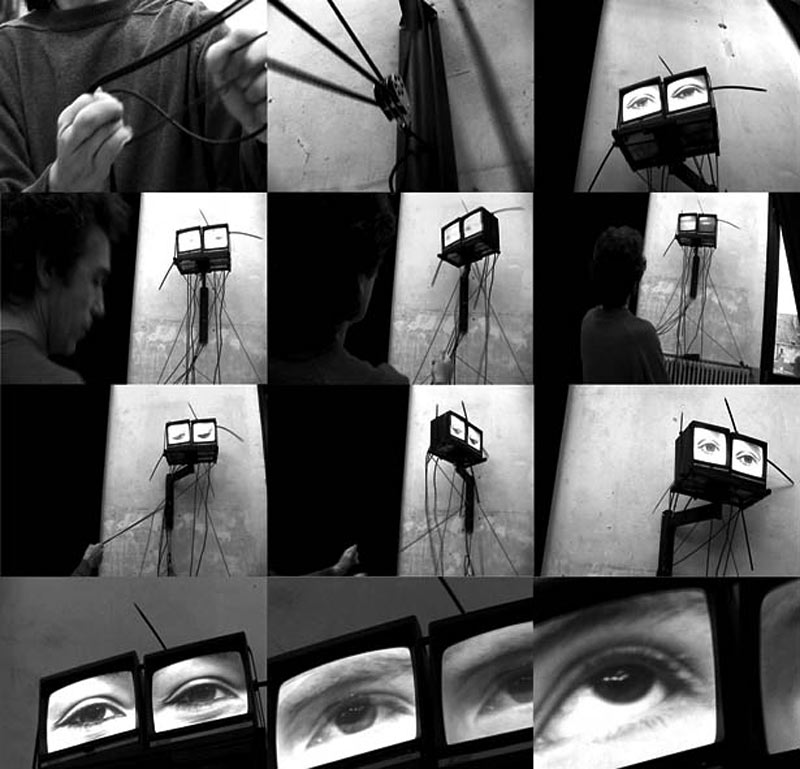
Zaven Paré's work resists all classification: at the crossroads of robotics, literature, theatre and anthropology, his automata question the boundary between the living and the artificial, between soul and mechanism, in a holistic and deeply humanist approach.


The title of the exhibition, “Orienté vers l'objet” (Object-Oriented), deliberately plays with the vocabulary of computer programming — “object-oriented programming” — to turn it towards humanity's oldest questions: what is an object? What is a being? Where does consciousness begin? These questions run through the entire practice of Zaven Paré, artist, theorist and practitioner of Japanese puppet theatre (bunraku).
His automata do not seek to naively imitate life, but question its deep mechanisms. His creations draw on literature — from the Freudian uncanny to the automata of Villiers de l'Isle-Adam — and incorporate advances in behavioural robotics and cognitive science research, without ever losing sight of the poetic dimension. In this exhibition, Zaven Paré's mechanical and digital objects seem inhabited by a strange presence: neither fully alive nor simply mechanical. This zone of indeterminacy is precisely what he seeks to explore, sending us back to our own relationship with the living and the artificial in a world increasingly populated by machines that seem to think.
It is impossible to classify Zaven Paré's work within known categories: a neologism, a new discipline, a new field of study would be needed, but would still be limiting. His work lies at the crossroads of suggestions, reflections and questions: it is a holistic approach to life through art and vice versa.
Zaven Paré's works draw inspiration from literature and theatre as well as from philosophical and anthropological reflection. More recent studies in robotics and behavioural science further enrich this work. His output would seem to respond favourably to the questions of technological animism, the idea that machines might have a soul or be endowed with a life of their own.
Zaven Paré builds a singular world. His works dialogue with those of the filmmakers Georges Méliès and Terry Gilliam, as well as with the animations of William Kentridge and the mechanical puppets of Jan Švankmajer.
Zaven Paré's research sits in the hollow of the Uncanny Valley, the theory developed by roboticist Masahiro Mori in 1970. According to this theory, the more a puppet or a robot resembles us, the more likely our emotional response to it is to be negative. When certain creatures reach too great a degree of resemblance, a sudden feeling of repulsion occurs.
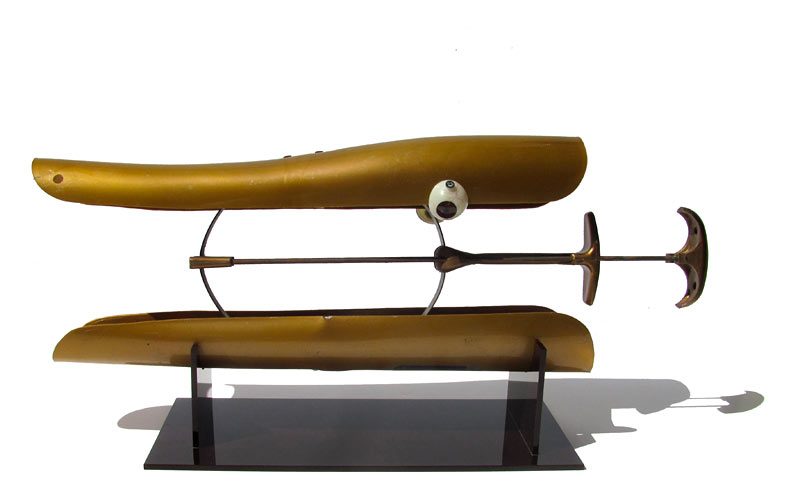
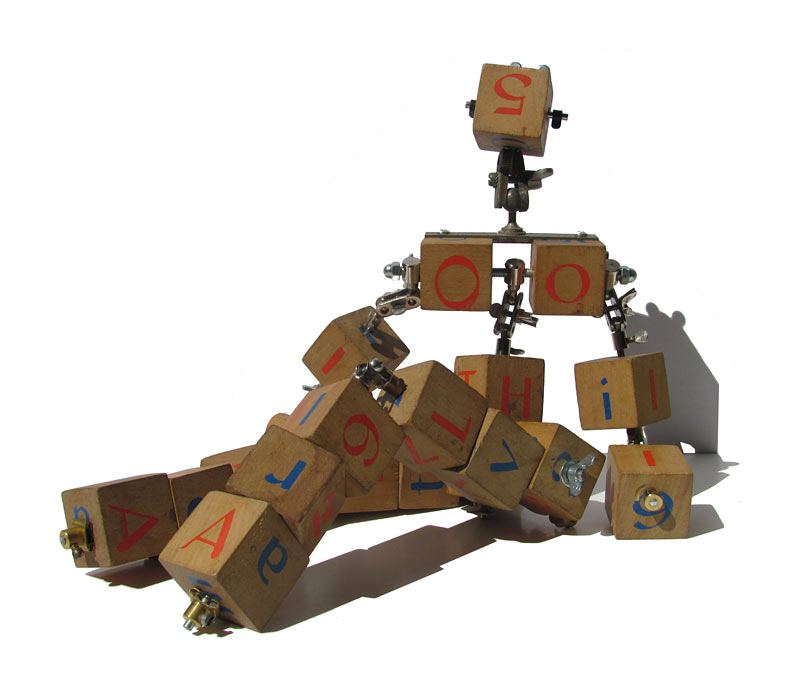
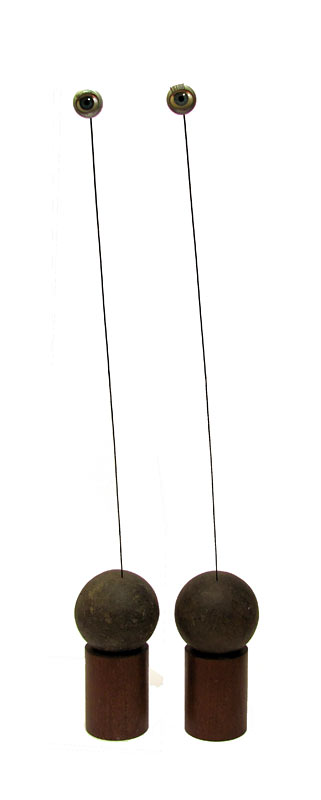
In an artistic game of borrowing, deconstruction and reconstruction, salvage and hybridisation, Zaven Paré assembles simple materials with the most advanced technologies. The sophistication and complexity of the technology contrast with the often “rough-cast” look of the materials, and lead us to question the soul of objects.
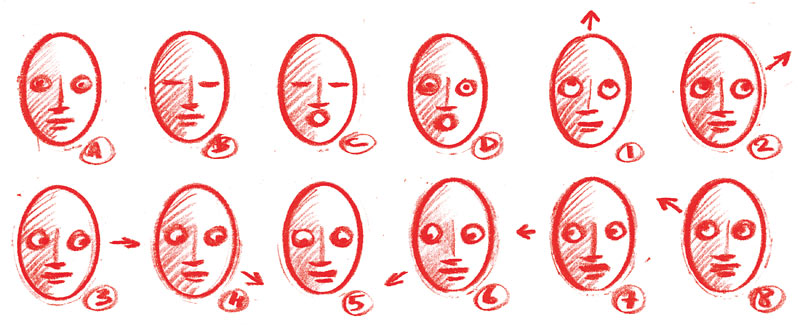
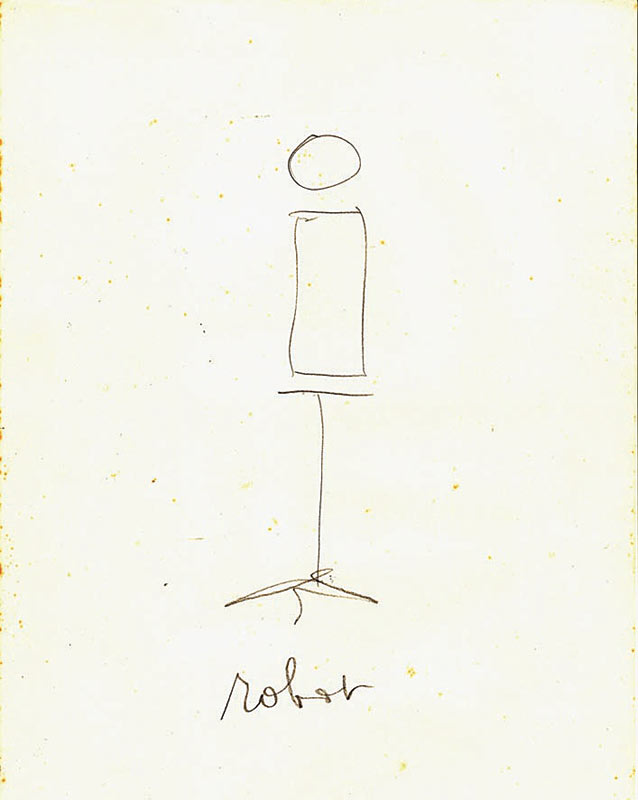
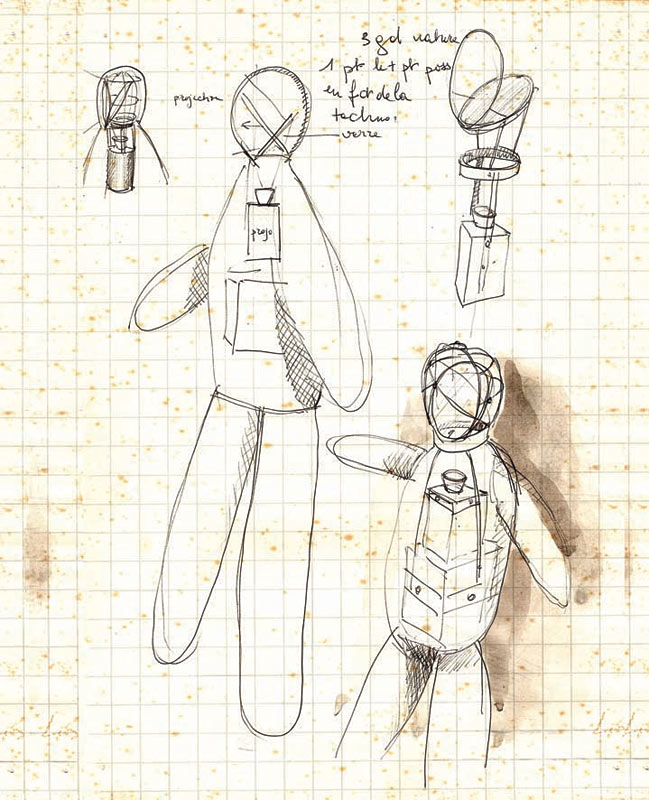
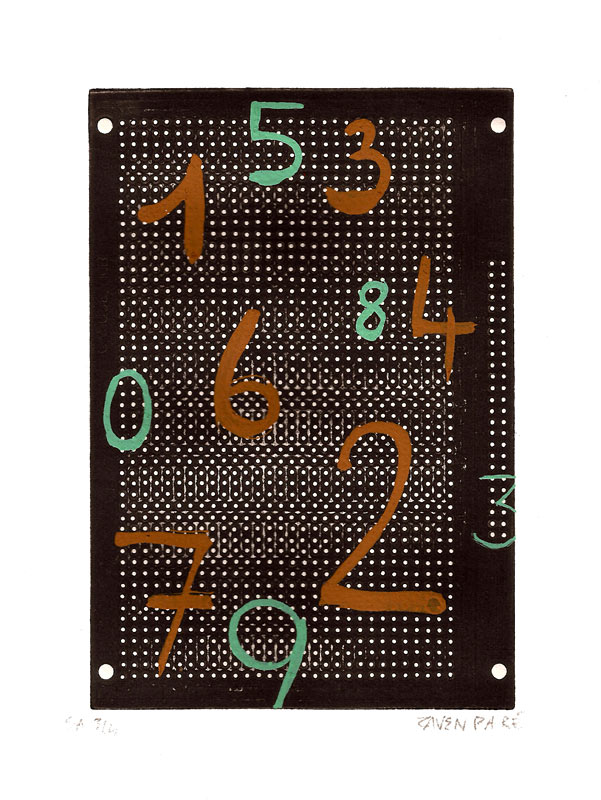
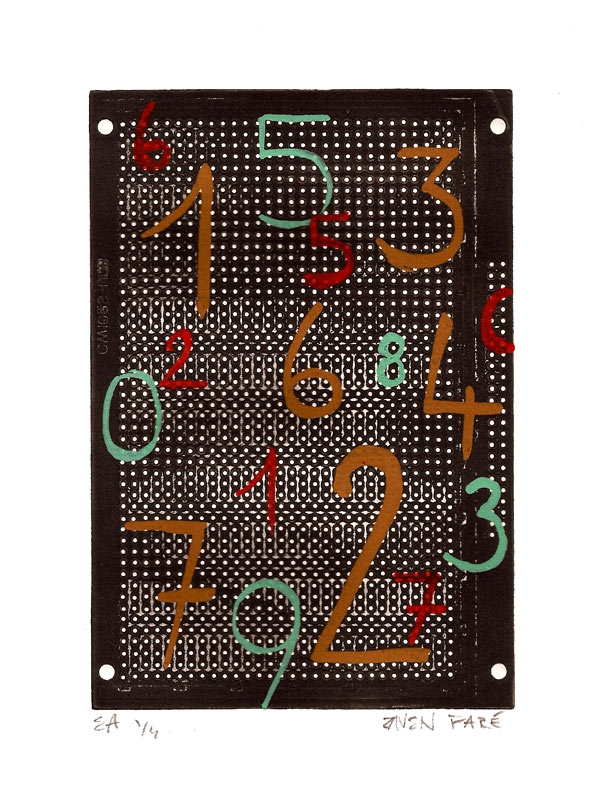
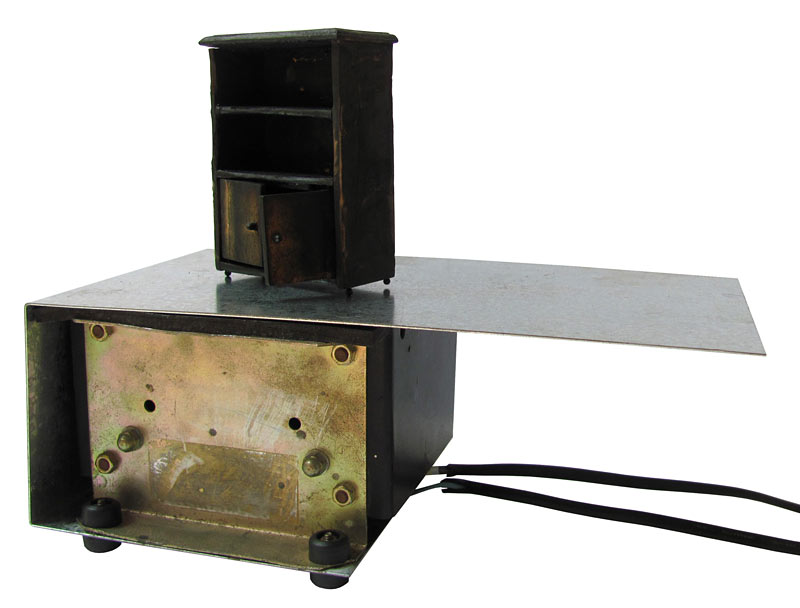
Born in Paris. Lives and works between Paris and Rio de Janeiro. Inventor of the electronic puppet.
From low-tech to high-tech, Zaven Paré poetically invents new devices that hybridize mechanics, optics, and electronics—machines that restore humanity to movement.
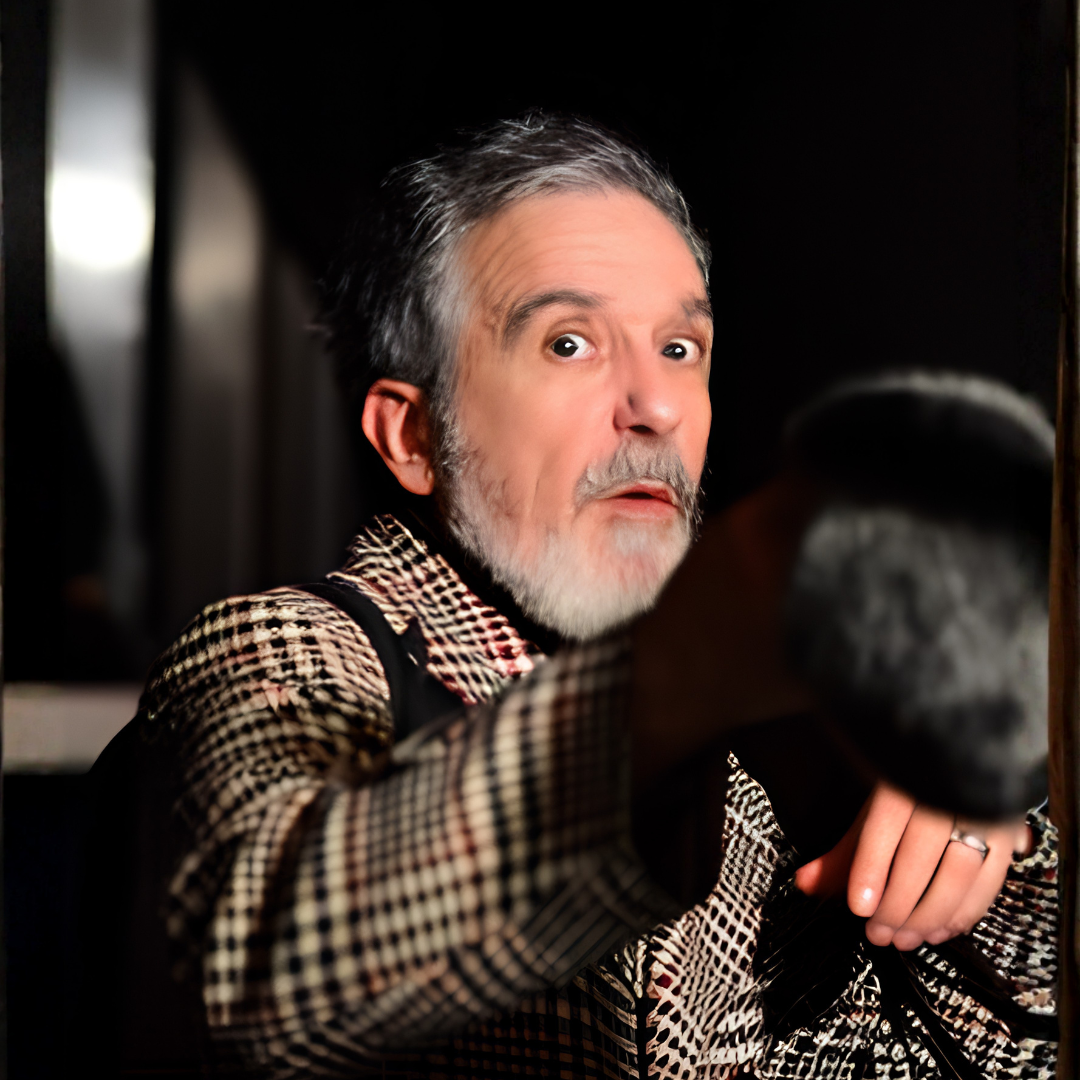
Born in Paris. Lives and works between Paris and Rio de Janeiro. Inventor of the electronic puppet.
From low-tech to high-tech, Zaven Paré poetically invents new devices that hybridize mechanics, optics, and electronics—machines that restore humanity to movement.



Subscribe to the Newsletter
