.webp)



find us
47 rue Charlot, 75003 Paris, France
Kikar Kedumim 14, Tel Aviv-Yafo, 68037, Israel
contact us
t. +33 (0)1 42 76 02 67
e. info@galeriecharlot.com





Eric Vernhes
Eric Vernhes photographs human presence in all its complexity — not as one subject among others, but as the very precondition of all looking. His photography is a quest for the other, and within the other, a search for what gives meaning to the very fact of being in the world.

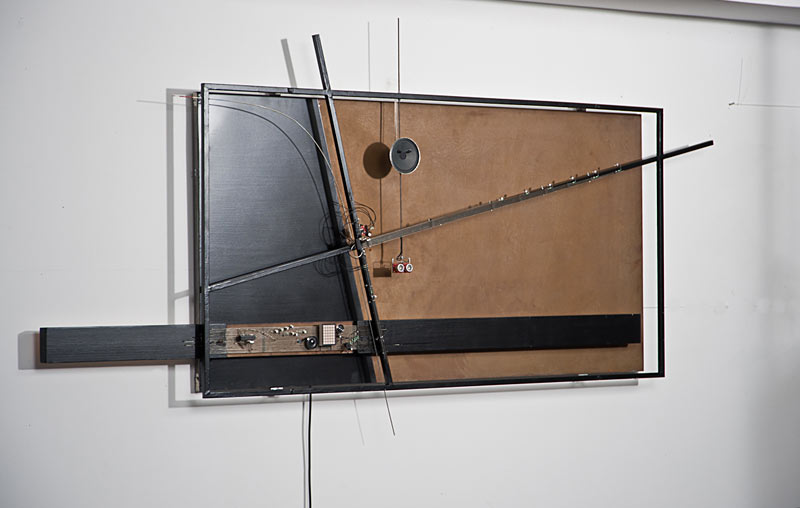
Eric Vernhes’s journey with photography is one of long reconciliation. Begun at the age of ten, the practice first ran up against a persistent disappointment: his images seemed empty to him, hopelessly devoid of interest. He eventually understood why — they did not contain what, for him, gives the world its meaning: the presence of the other, the relationship between beings. The landscapes, objects and animals he photographed only sent him back to a great loneliness.
This realisation profoundly transformed his practice. His photography is now a photography of relationship: in his subjects he seeks not formal beauty or a decisive moment in the classical sense, but a truth of contact, something that passes between the person photographed and the photographer. The works exhibited at Galerie Charlot bear witness to a maturity gained after years of doubt and searching. They carry an intimacy that has nothing to do with voyeurism, but with genuine encounter — with the subjects, with the medium, and ultimately with oneself. A photography wary of effect, keeping only what is essential.
"I started with photography at the age of 10. It was a pleasure mixed with a great deal of frustration, because I was never satisfied with my photos. I blamed the quality either of my prints or of my subjects, without being able to determine what made them uninteresting in my eyes.
Later I realised that the flaw in these images was that you were not in them. I saw in them the representation of something hopelessly empty and dull. The landscapes, objects or animals I photographed only ever sent me back to a great loneliness.
Since I did not like these photos, I did not show them to you. And I did not show them to you because you were not in them. And you were not in them because you were not there. So nothing was possible. From that realisation on, I stopped distinguishing between your roles as “subject” or “spectator”. The choice between these two roles became merely a technical matter of “placement”, in space and time, and that choice was as much yours as mine. That was not what mattered.
Later, I approached you, at first from afar. You were a small motionless figure lost in architectural models. Then you became a captive spectator, chained to a cinema or theatre seat. After that, your fascination with digital imagery left you speechless.
None of the places I gave you satisfied me. I wanted to take you by the hand and tell you stories, but in fact only one interested me: the story you reinvented through your own identity. I did not feel I was giving you the right place to create that story, your own, and above all to be able to meet you around it. And so I come to my most authentic and concrete aspiration. I am a little reluctant to tell you, because it sounds like an utterly banal truism, but no matter: I have been looking for your “place” so that I could meet you.
This exhibition shows that I think I have invented one for you. It is therefore an invitation."
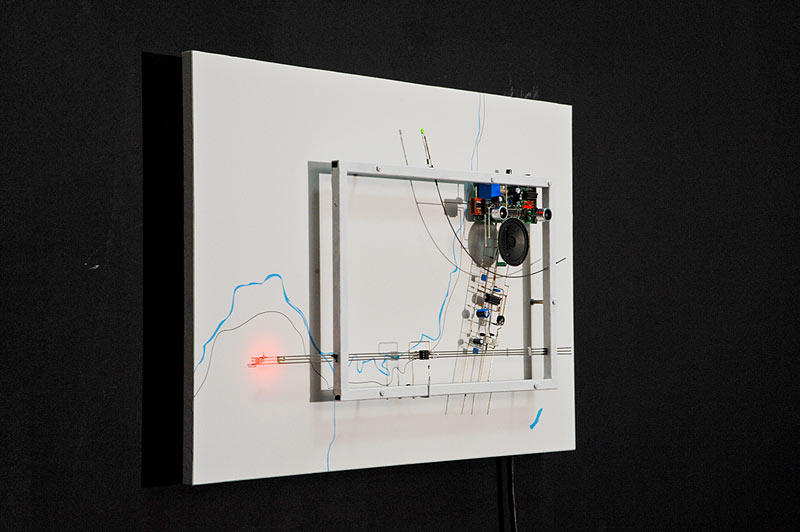
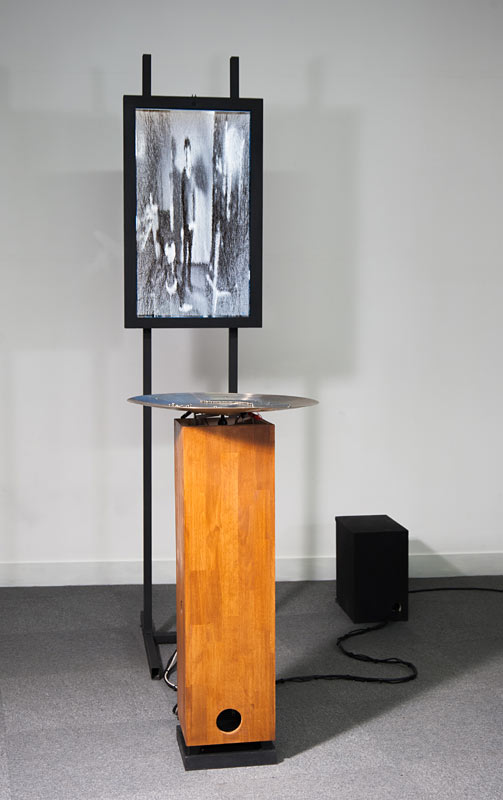

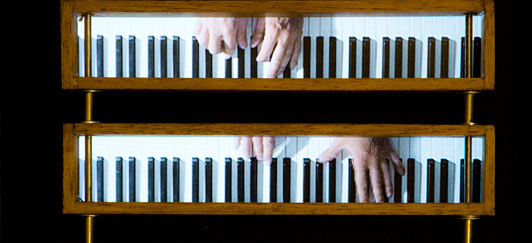
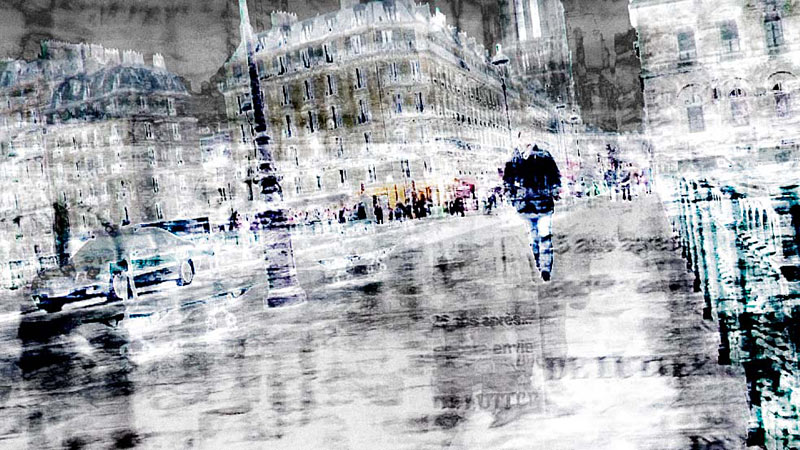
Lives and works in France. Architect, filmmaker, and musician turned visual artist.
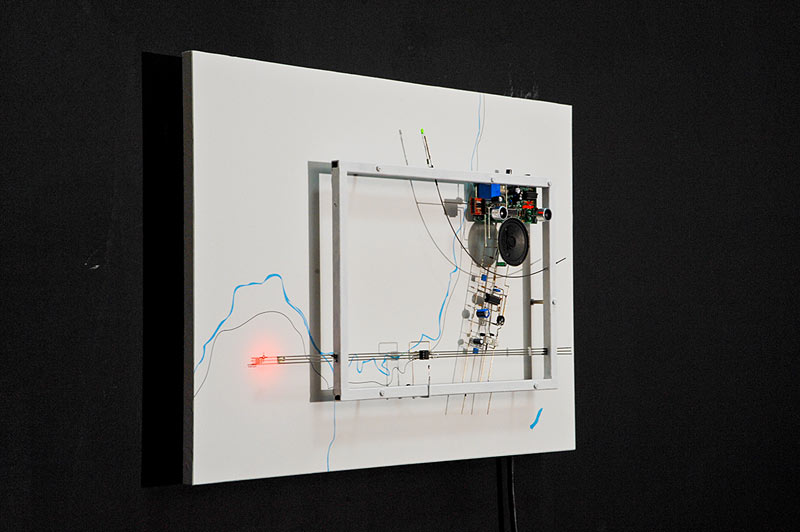
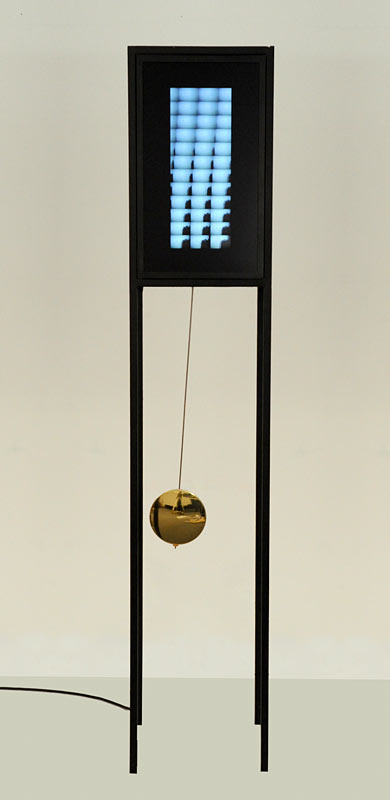
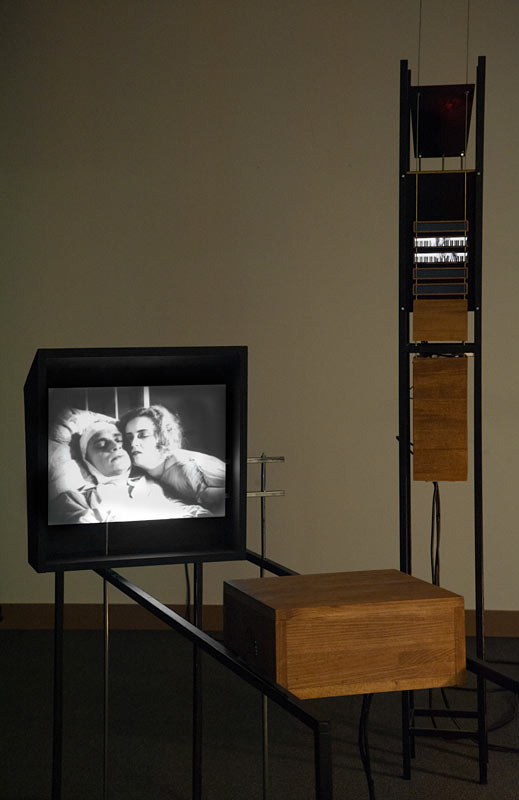
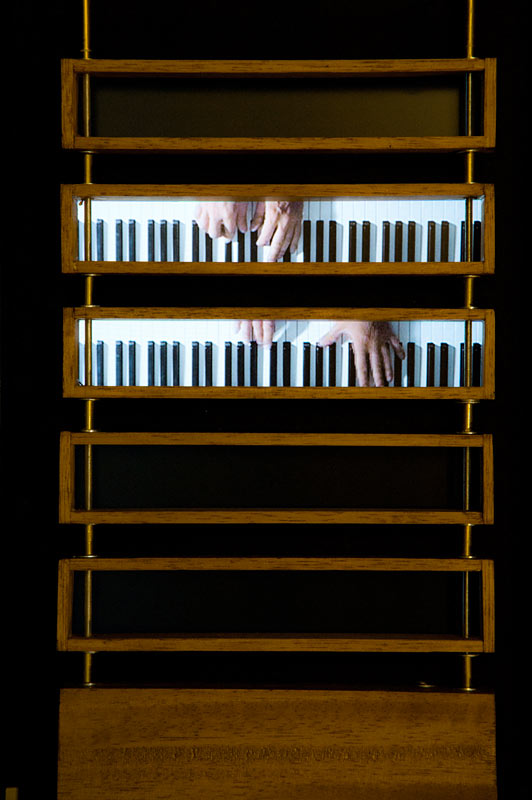
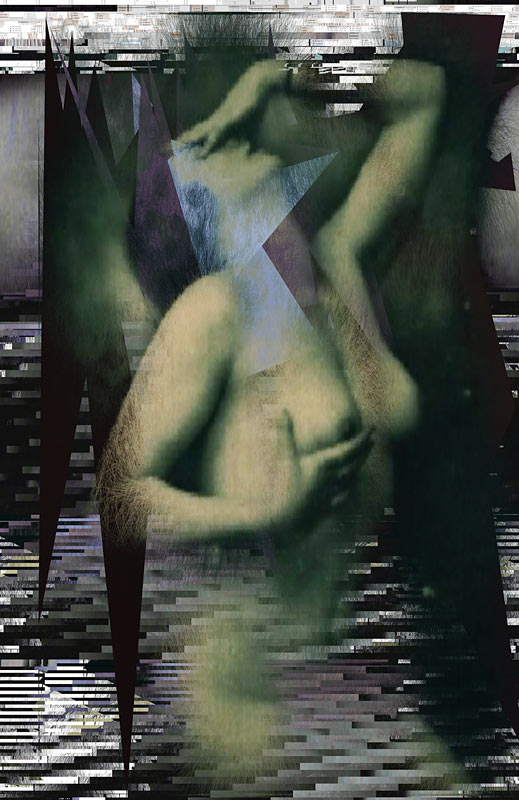
Eric Vernhes creates anthropoid machines whose movements mirror those of our consciousness, presenting us with the spectacle of our own humanity.
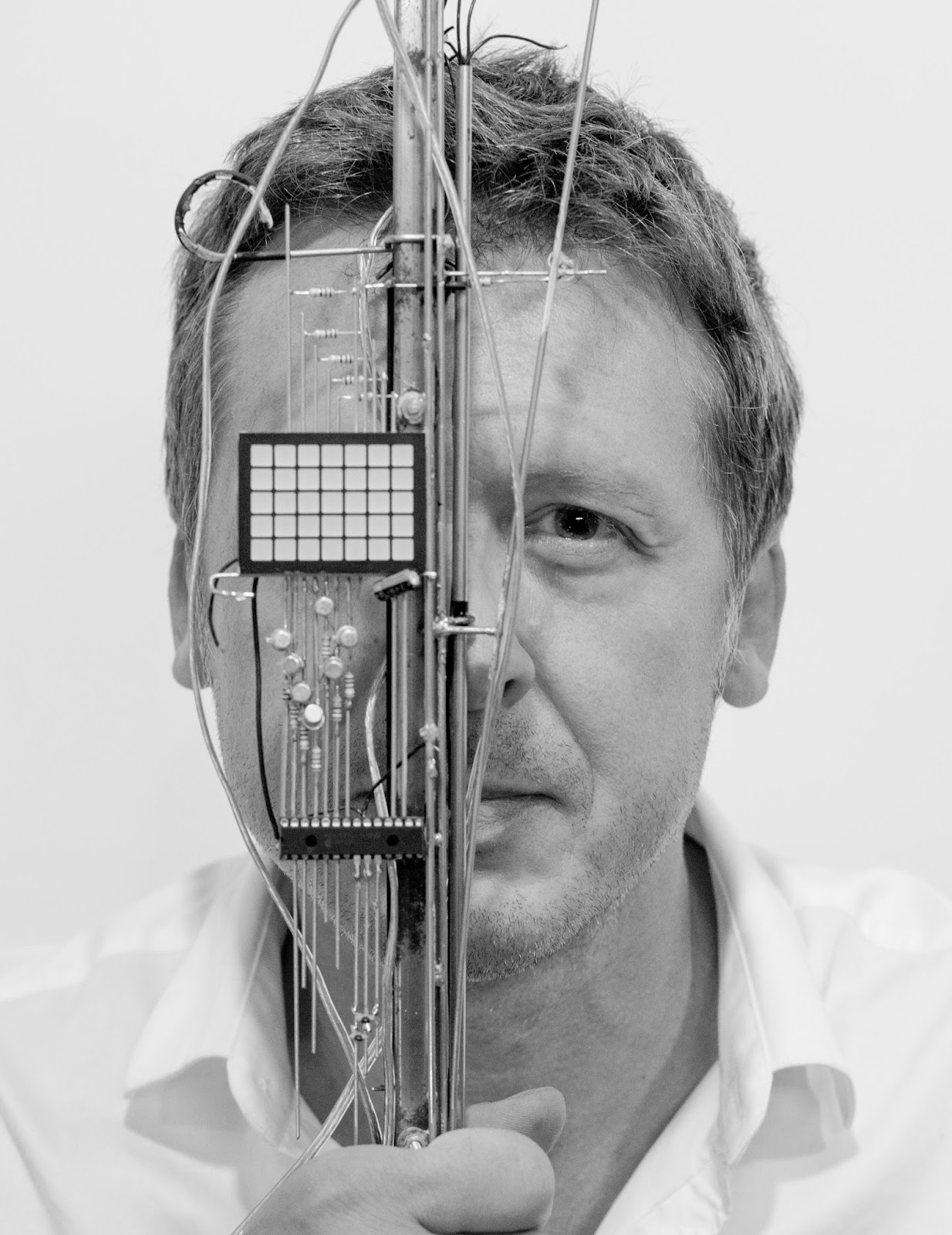
Lives and works in France. Architect, filmmaker, and musician turned visual artist.
Eric Vernhes creates anthropoid machines whose movements mirror those of our consciousness, presenting us with the spectacle of our own humanity.



Subscribe to the Newsletter
