.webp)



find us
47 rue Charlot, 75003 Paris, France
Kikar Kedumim 14, Tel Aviv-Yafo, 68037, Israel
contact us
t. +33 (0)1 42 76 02 67
e. info@galeriecharlot.com





Quayola
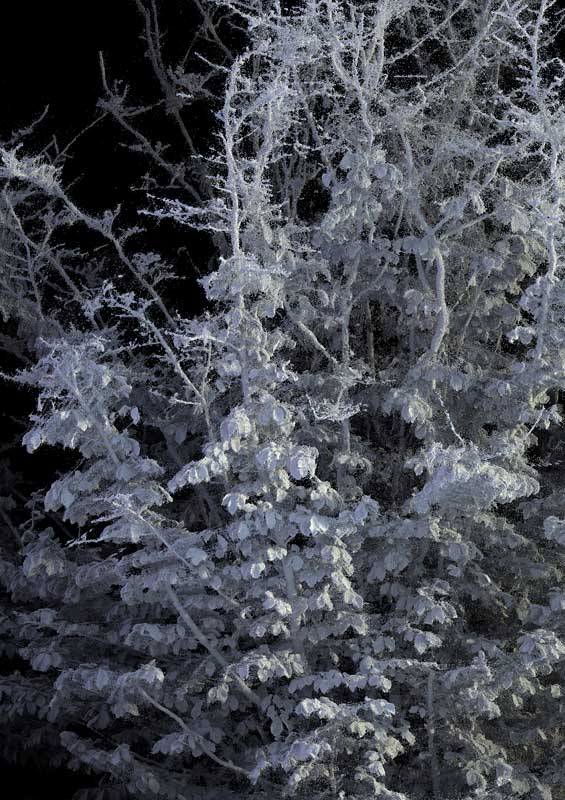
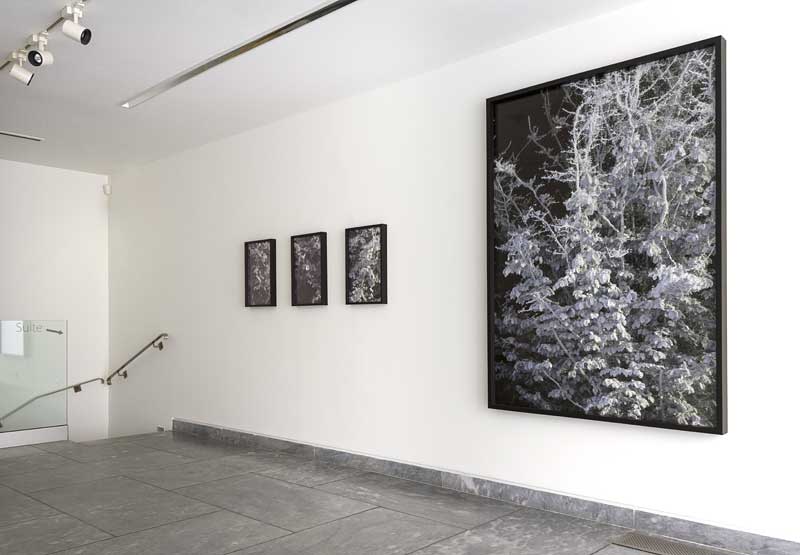
With Vestiges, Quayola transforms the gardens of the Château de Chaumont-sur-Loire into computational landscapes of dizzying beauty, where the machine's gaze reveals a nature at once hyperreal and entirely reconstructed.


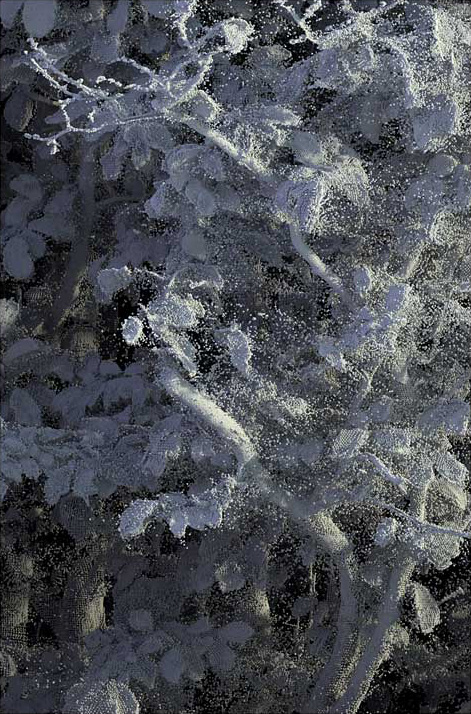
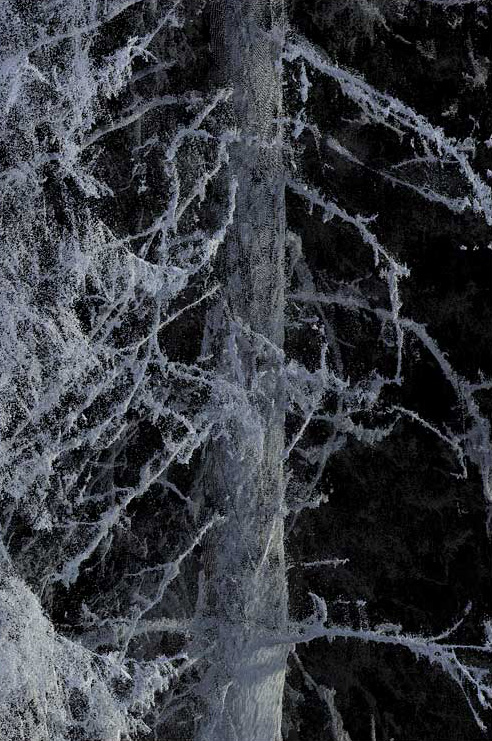
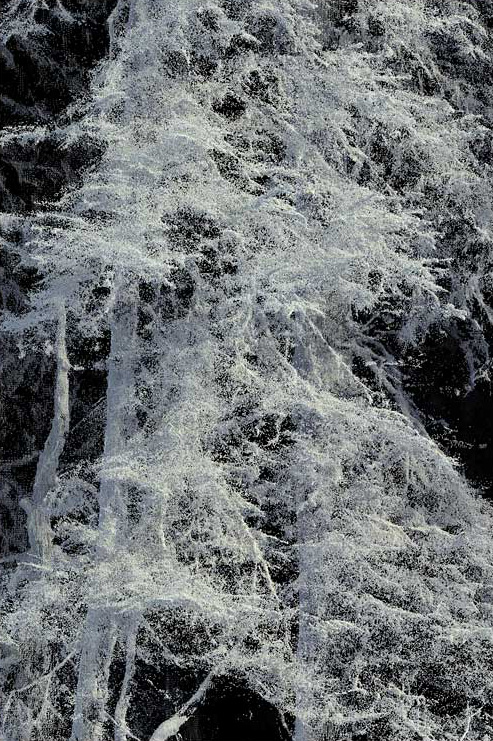
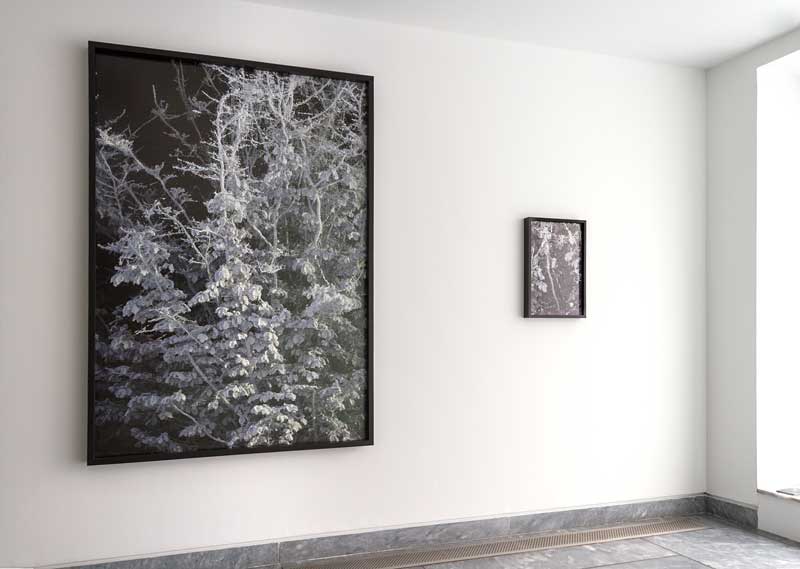
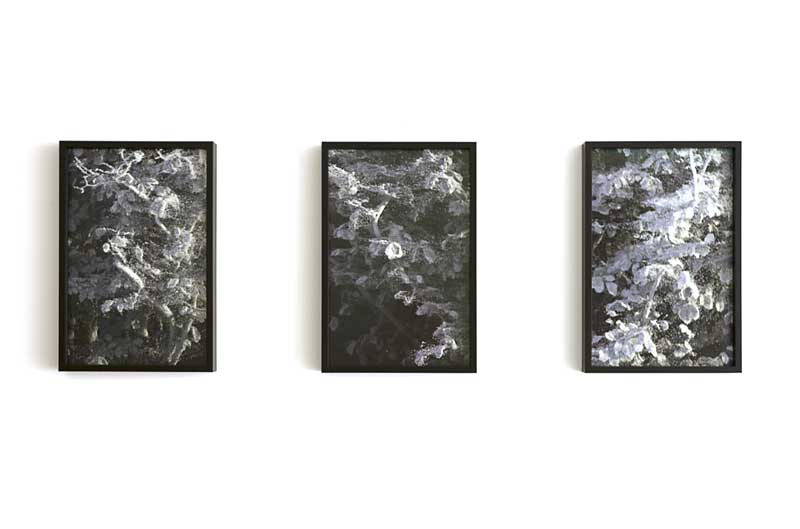
Quayola is one of the most important artists on the international digital art scene. His practice rests on a constant dialogue between art history — in particular the tradition of landscape and still life — and the most advanced computational tools. For the series Remains and the video Jardins d'été, he went to the Château de Chaumont-sur-Loire with 3D scanners to capture trees, flowers and plants in the finest detail.
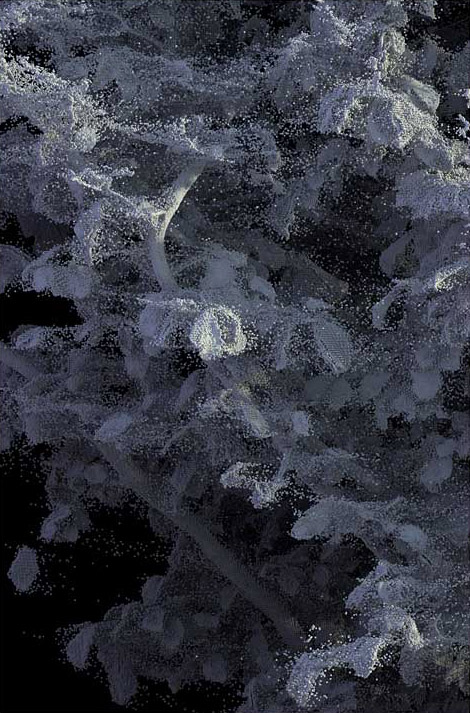
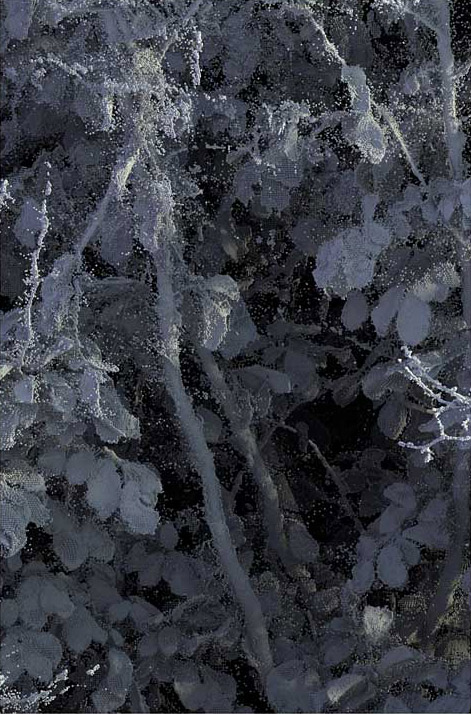
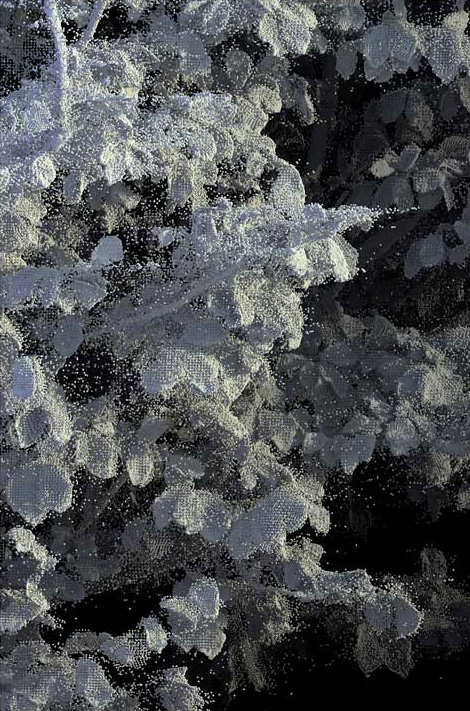
What these scans reveal is not nature as we perceive it, but as the machine sees it: a collection of points in space, a cloud of data oscillating between faithful representation and pure abstraction. Quayola works in this in-between, pushing the data to the point where form comes undone and reinvents itself. His prints and videos evoke in turn Turner, Monet and the Nabis — but with the cool precision and formal generosity of algorithms. Vestiges is thus a manifesto for a new way of looking at the natural world: not in opposition to technology, but through it, to reveal a beauty that escapes the naked eye.
The prints from Quayola's “Remains” series and the video “Jardins d'été” explore a new way of representing landscape, continuing the pictorial tradition of the avant-gardes from the late 19th century onwards.
Through his 3D scans of trees and plants, flowers and leaves, made in the Gardens of the Château de Chaumont-sur-Loire, the artist becomes the interpreter of a new practice of landscape representation in which his sensibility enters into dialogue with the disinterested, objective gaze of the machine.
This relationship of interdependence between the artist and the technological apparatus unfolds in several phases: like a plein-air painter, the artist moves through various sites of natural interest, equipped with highly sophisticated tools that capture as much data as possible. The on-site survey is followed by photographic work in the studio, an exploration and selection of the digital material the artist has captured at its place of origin. The often imperfect material the viewer is confronted with is the astonishing result of the impossible encounter between a highly complex natural geometry and the machine's inability to record this incommensurability.
It is in this fissure that Quayola's research lies: in the challenge posed by the limits of the machines used to record data. Far from the hyperrealism of contemporary visual culture, which tends towards simulacrum, Quayola's images gravitate towards abstraction by way of their internal errors. What does this aesthetic of malfunction reveal about the subject's relationship to nature and to the world?
In “Parallel I-IV”, the artist Harun Farocki predicted that reality would soon cease to be the norm by which to judge the imperfect image, and that instead the virtual image would become the standard against which to measure the imperfections of reality.

Born in Rome, Italy. Lives and works in London, UK.
Quayola reimagines classical iconography—Hellenistic sculpture, Old Masters, Baroque architecture—through algorithms that reveal the abstraction hidden within the visible.
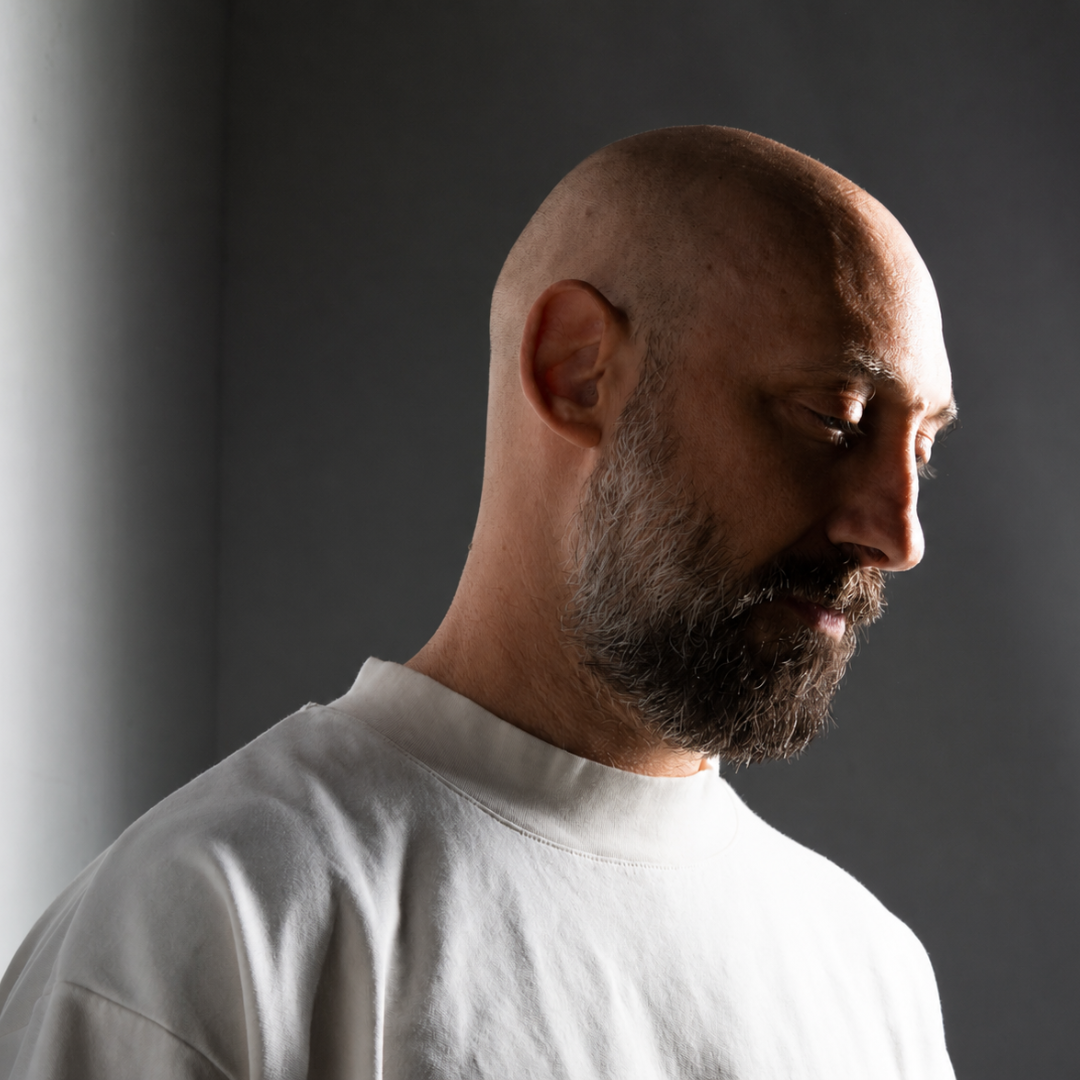
Born in Rome, Italy. Lives and works in London, UK.
Quayola reimagines classical iconography—Hellenistic sculpture, Old Masters, Baroque architecture—through algorithms that reveal the abstraction hidden within the visible.



Subscribe to the Newsletter
